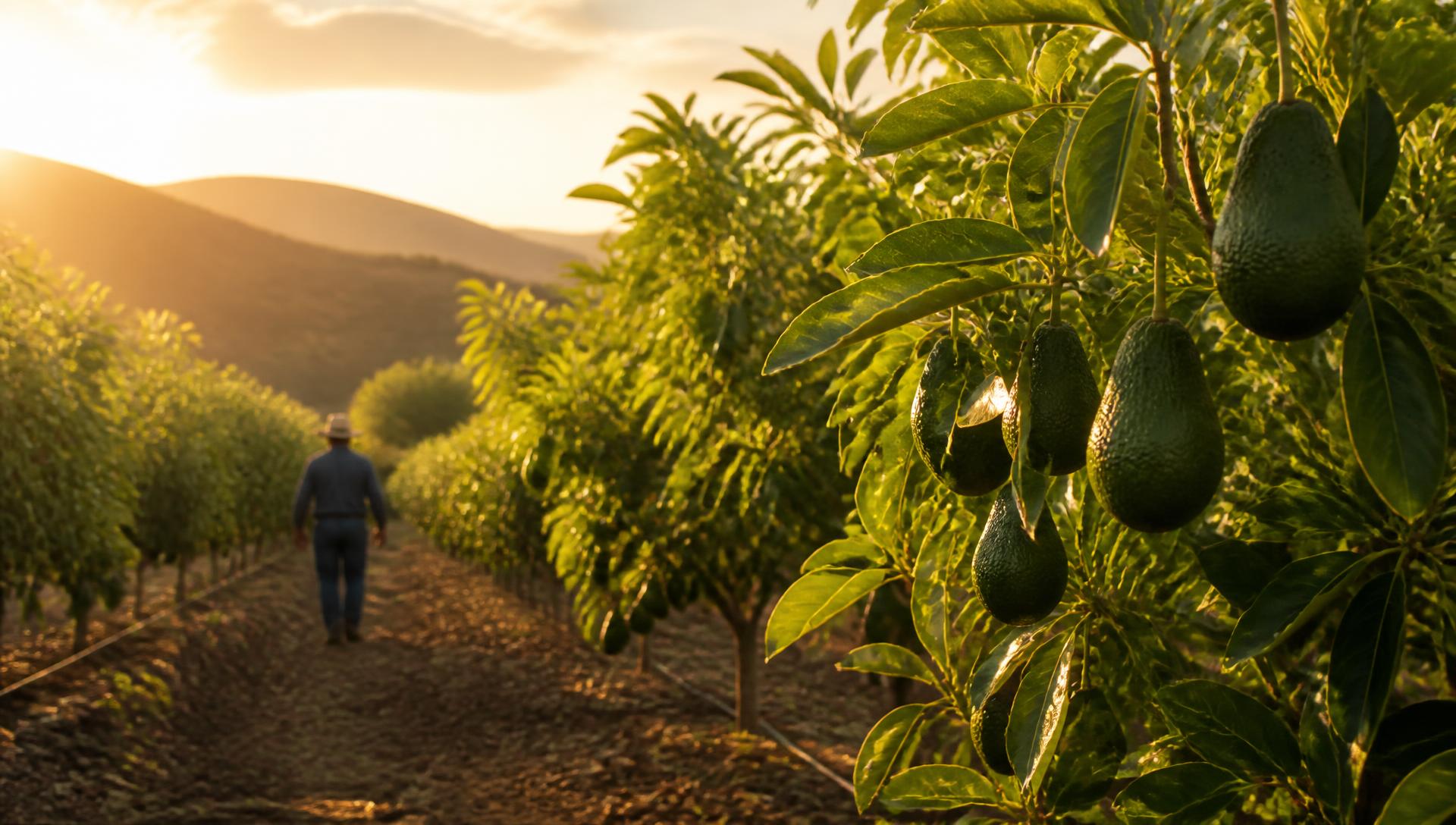
In India
Can Avocado Grow in India? An Honest Answer
Avocado grows in India, and has for decades in a few specific places. The honest answer is regional, and depends far more on drainage and heat than on latitude.
5 min read
Avocado is not native to India and does not suit every part of it. This guide is specific about the conditions the tree needs and how to work with Indian heat, monsoon and winter.
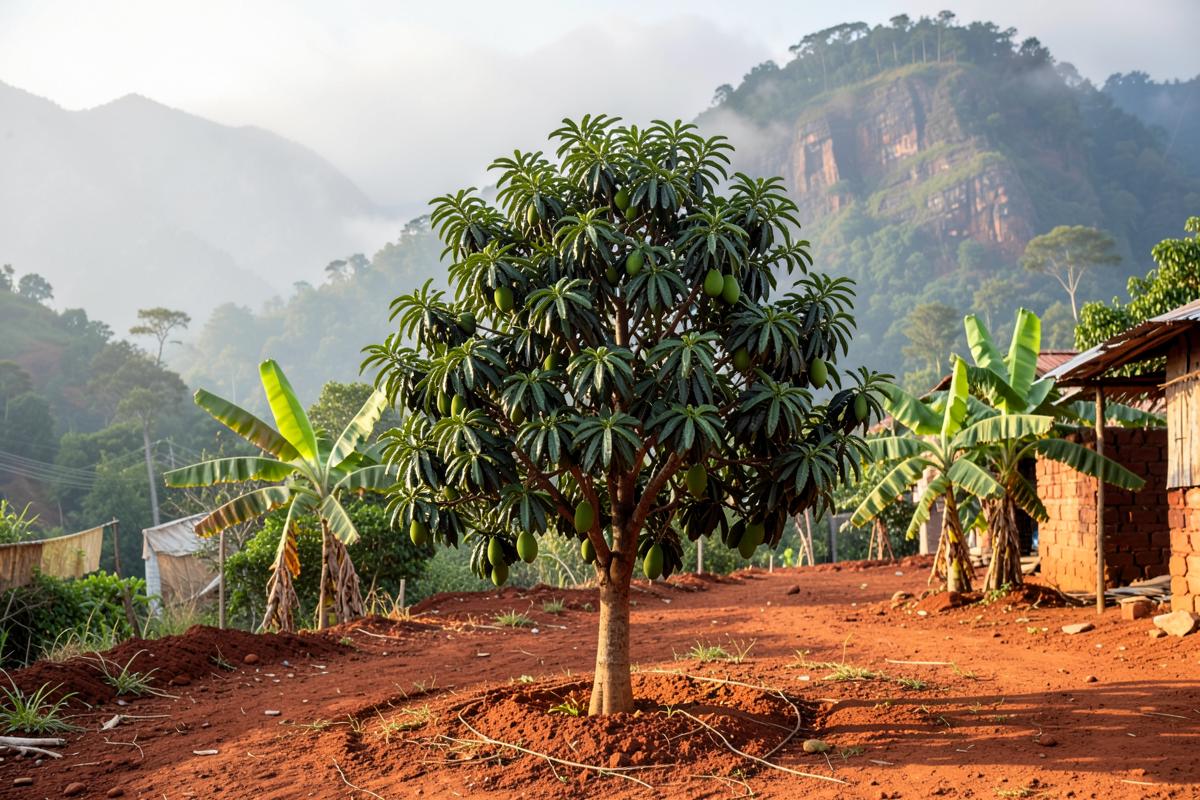
Can avocado grow in India?
Yes, in the right places. Avocado has been cultivated in India for decades, most consistently in the cooler uplands of the Western Ghats — Kodagu in Karnataka, Wayanad and Idukki in Kerala, the Nilgiris in Tamil Nadu — and in parts of the north-eastern hills. It also grows as a garden or container tree in many warmer areas, though fruiting is far less dependable there.
The mistake is treating avocado as a tropical fruit like mango or banana. It is a subtropical tree that dislikes both frost and waterlogging, and India offers plenty of both. Where the climate suits it, avocado is undemanding. Where it does not, no routine rescues it.
| Region | Why it works |
|---|---|
| Kodagu and surrounding Karnataka hills | Elevation, mild temperatures, well-drained slopes, existing coffee-estate intercropping |
| Wayanad and Idukki, Kerala | High-rainfall uplands with slope drainage and moderate temperatures |
| The Nilgiris and nearby Tamil Nadu hills | Cool nights and gentle seasonal variation |
| Parts of Maharashtra's Western Ghats | Suitable pockets at elevation rather than across the state |
| North-eastern hill areas | Subtropical hill climate with adequate rainfall |
Kodagu and surrounding Karnataka hills
Wayanad and Idukki, Kerala
The Nilgiris and nearby Tamil Nadu hills
Parts of Maharashtra's Western Ghats
North-eastern hill areas
Outside these belts, avocado is generally a garden experiment rather than a crop. Plains areas with 42 °C summers, or heavy black soils that hold monsoon water, are difficult regardless of care. Our best states for growing avocado in India guide takes this region by region and avoids claiming more than is documented.
Avocado roots need air. Light, deep, free-draining soils with a slightly acidic to neutral pH suit it best — the red lateritic soils of the Ghats being a good example. Heavy clay is the classic problem soil in India: it holds monsoon water for days, and Phytophthora root rot follows.
Through the hot pre-monsoon months, young trees need deep and regular watering — that is when flowers and small fruit are most vulnerable. Through the monsoon the job reverses: your task is drainage, not irrigation. Container trees are best moved under cover during prolonged downpours, and in-ground trees benefit from a shallow channel that carries water away from the root zone.
Six or more hours of direct sun is the target. In the hottest plains areas, some shade from the harshest western afternoon sun helps a young tree, and trunk protection with dilute white limewash prevents sunburn on exposed bark.
| Variety | Flowering type | Notes for Indian growers |
|---|---|---|
| Hass | A | The commercial benchmark for fruit quality and shelf life; prefers cooler, milder conditions |
| Fuerte | B | Somewhat more tolerant of cool spells; thin smooth green skin |
| Pollock | — | Large, low-oil, green-skinned fruit long grown in warm-humid Indian conditions |
| Purple / local seedling selections | Varies | Widely grown in the Ghats; variable, but adapted to local conditions |
| ICAR-IIHR releases | Varies | Selections developed for Indian conditions; availability is region-dependent |
Hass
Fuerte
Pollock
Purple / local seedling selections
ICAR-IIHR releases
Ask your nursery which flowering type they are supplying and whether the tree is grafted. If they cannot answer either question, that is useful information about the nursery. Hass vs Fuerte compares the two most requested varieties in detail.
Grafted, if fruit matters to you. Seed-grown trees are common in Indian gardens and often grow beautifully, but they take many more years to fruit — often five to thirteen or more — and the fruit is unpredictable. A grafted tree of a known variety commonly begins bearing around three to four years after planting. See Grafted Avocado Tree.
Container growing is realistic on a sunny terrace or a large balcony, and it is how most urban Indian households will meet an avocado tree. Choose a grafted, naturally compact variety, use a coarse mix of soil, coco peat and sand or perlite, and start with a pot around 45 cm across, moving up to a half-barrel as the tree matures.
In gardens with good drainage and a warm, frost-free climate, an in-ground avocado becomes a substantial shade tree and eventually a productive one. On smallholdings in the Ghats, avocado is often intercropped with coffee and pepper, using the existing shade structure and slope drainage. Orchard-level considerations — spacing, rootstock choice, establishment and irrigation — are covered in Avocado Farming in India. We deliberately avoid publishing yield or profit figures we cannot verify.
| Year | What usually happens |
|---|---|
| Year 1 | Establishment; heavy focus on watering and shade for the young tree |
| Year 2 | Steady canopy growth; first structural pruning |
| Year 3 | Possible first flowering; little or no fruit held |
| Years 4–5 | First real fruit; crop size increasing |
| Years 6+ | Settled bearing, often alternating heavier and lighter years |
Year 1
Year 2
Year 3
Years 4–5
Years 6+
Through the Indian year
Season-by-season care is expanded in Avocado tree care in Indian weather.
No. They do best in frost-free subtropical hill and upland areas with good drainage — notably the Western Ghats and parts of the north-east. Very hot dry plains and heavy waterlogged soils are poor choices.
It depends on your location. Hass and Fuerte are widely requested; Pollock and local seedling selections are common in warmer humid areas; ICAR-IIHR has released selections aimed at Indian conditions. Ask your nursery what performs locally.
A grafted tree in a suitable location commonly bears around three to four years after planting. Seed-grown trees typically take much longer and may never fruit usefully.
Yes, on a sunny terrace or balcony, using a grafted compact variety and a coarse free-draining mix. Expect a smaller tree, smaller crops and a real need to protect it during heavy monsoon rain.
Established trees cope with heat if the roots stay moist and the trunk is protected from direct sun. Prolonged temperatures above about 38 °C with dry wind cause flower and fruit drop even in healthy trees.
Not the rain itself — the standing water. Avocado roots need air, so drainage during the monsoon is the single most important thing you can manage.
Horticultural and nutritional claims on this page are drawn from these references.
We write from two places: published horticultural research from institutions such as ICAR-IIHR and the University of California, and what our partner farms actually observe growing avocado in Indian conditions. Where the evidence is thin or regional, we say so instead of rounding it into a confident answer.
Researched and written in-house, reviewed by our farm coordination team. Last reviewed 4 September 2026.
Our Knowledge Hub covers growing, care, varieties, grafting and fruiting in one place — and if you would rather start with an established tree, we can tell you honestly whether one will do well where you live.
Free calculators that turn this guide into a result for your own conditions.
See whether your local climate is suitable, workable or challenging.
Model investment, running cost, yield and margin across three scenarios.
Score your light, soil, drainage and watering, and see what to change first.
In India
Avocado grows in India, and has for decades in a few specific places. The honest answer is regional, and depends far more on drainage and heat than on latitude.
5 min read
Tree Guide
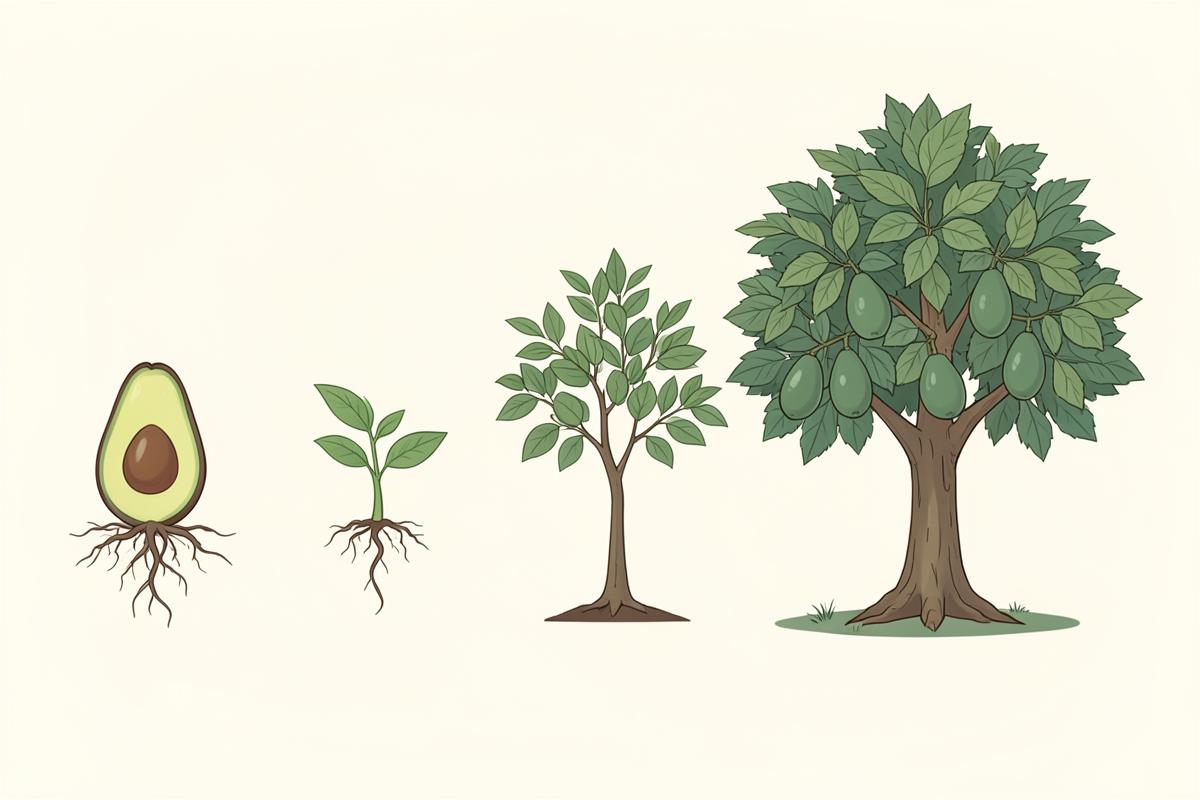
Germination in weeks, structure in years, fruit later still. This is the realistic avocado growth timeline, with the four growing situations that change it.
4 min read
Varieties
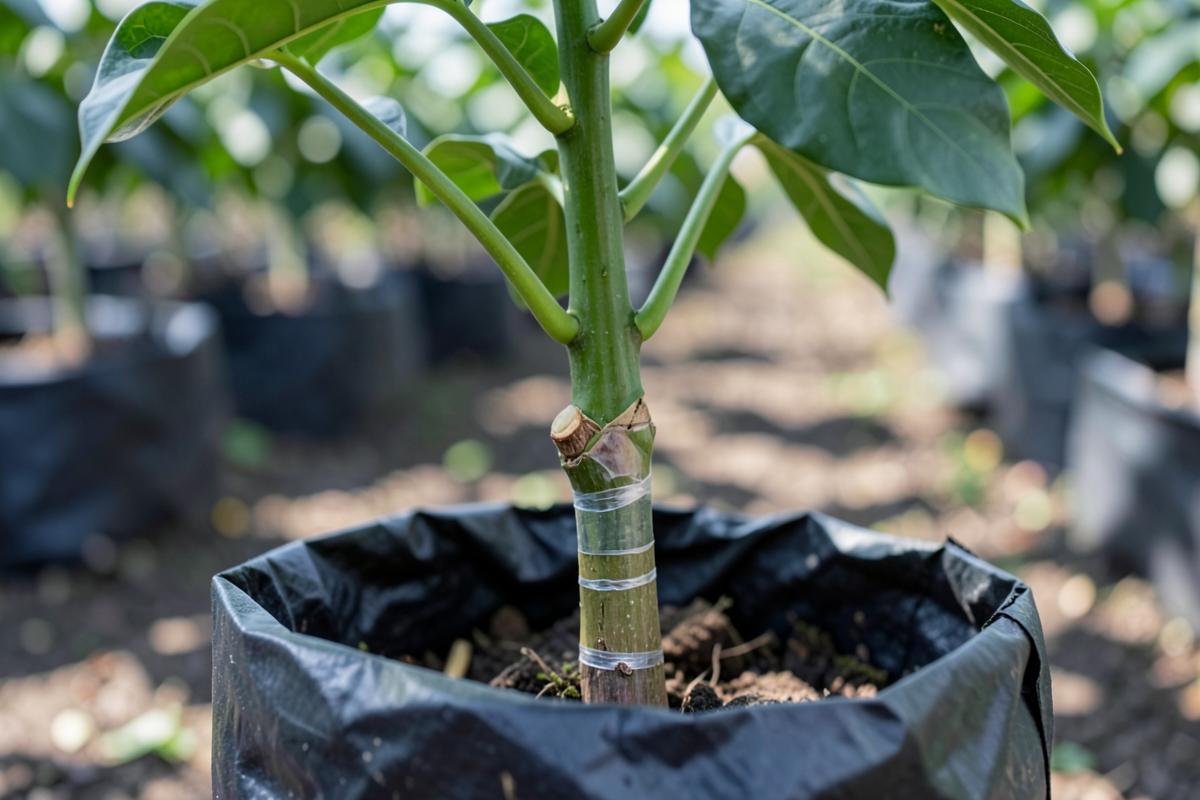
A grafted tree is two plants working together: proven roots below, a known variety above. That combination is why orchards use them and why home growers should too.
5 min read
Tree Guide
Fruit is decided long before flowering: by the tree you choose, the site you give it and the water at its roots. This guide runs through each decision in the order it matters.
5 min read