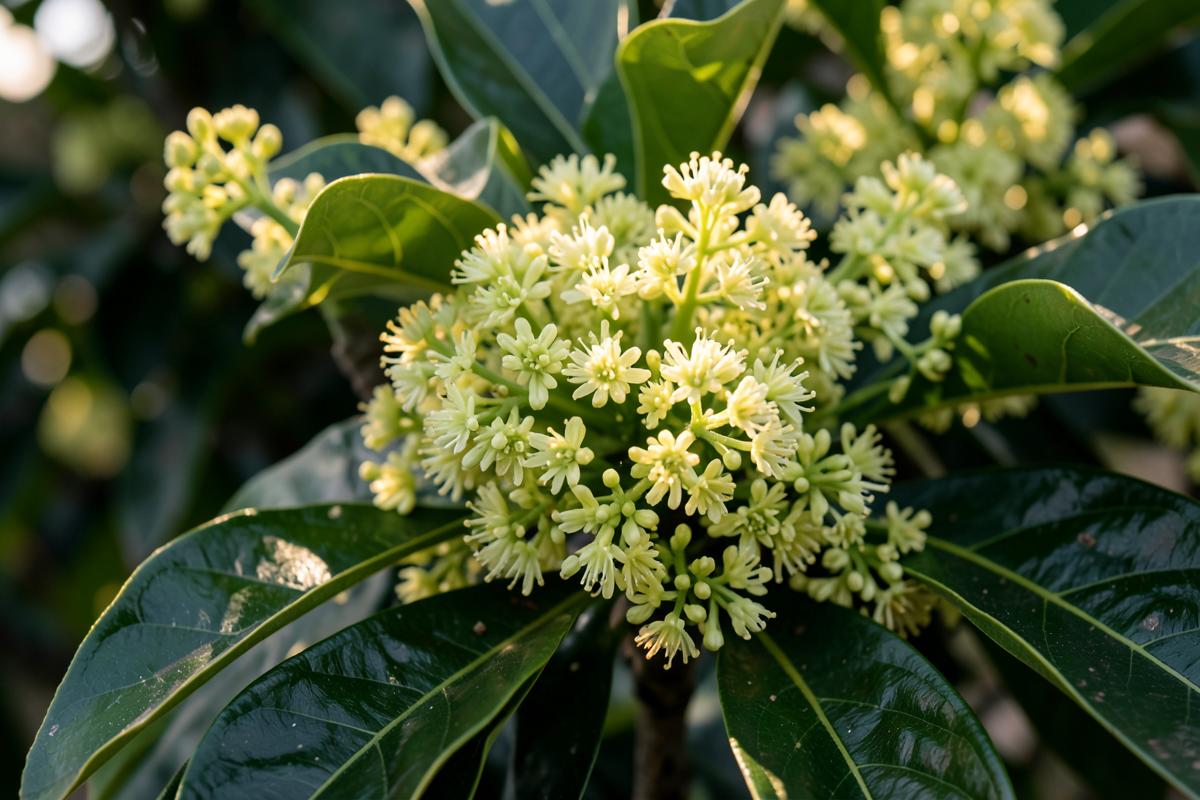
Care
How to Make an Avocado Tree Bear Fruit Faster
You cannot rush a tree past its biology, but you can remove everything that is holding it back. Here is the difference, without the marketing promises.
4 min read
Fruit is decided long before flowering: by the tree you choose, the site you give it and the water at its roots. This guide runs through each decision in the order it matters.
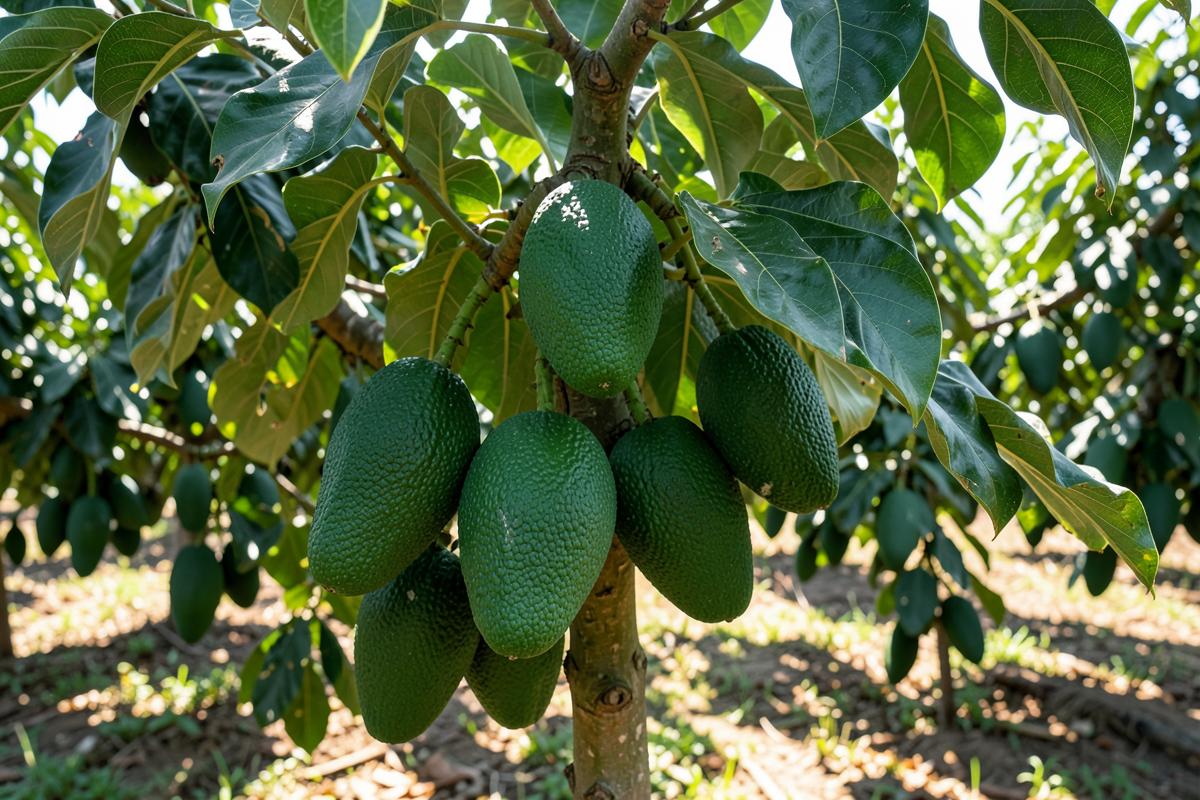
The one decision that matters most
Start with a grafted tree of a variety suited to your climate. Almost every other fruiting problem can be corrected later; propagation cannot.
Plenty of people grow beautiful avocado trees that never produce a single fruit. The tree is not being difficult — it is responding to conditions. Fruiting is the last thing an avocado does with its energy, and it does it only when propagation, climate, roots and pollination all line up. Take them in that order.
Variety sets the tree's eventual size, cold tolerance, flowering type and fruit season, and no amount of care overrides it. Hass is the commercial standard for fruit quality and storage; Fuerte tolerates slightly cooler conditions and has a different bloom type; several ICAR-IIHR selections have been released with Indian growing conditions in mind. Our best avocado variety for Indian climate guide compares them properly.
| Seed-grown | Grafted | |
|---|---|---|
| First fruit | Commonly 5–13+ years, sometimes never | Commonly 3–4 years after planting |
| Fruit quality | Unpredictable | True to the named variety |
| Flowering type | Unknown until it blooms | Known (Type A or Type B) |
| Vigour | Often taller and wilder | More manageable |
First fruit
Fruit quality
Flowering type
Vigour
A seedling is a fine plant and a poor fruit strategy. Full detail in Grafted Avocado Tree.
Avocado wants warm days, mild nights and no frost. Sustained temperatures near or below freezing damage young wood, and heavy frost kills young trees outright. At the other extreme, very hot dry air during bloom causes flowers to abort. Humid heat with poor drainage brings root disease. The comfortable window is broad but not unlimited, which is why site selection matters so much in India — see Avocado Tree in India.
This is where most avocado trees are actually lost. The feeding roots sit in the top few centimetres of soil and have very few root hairs, so they need air as much as water. Saturated soil suffocates them and invites Phytophthora root rot, which is difficult to reverse once established.
Six or more hours of direct sun is the practical minimum for fruiting. Shade produces a leafy, healthy-looking tree with very few flowers. On a balcony, the direction the space faces effectively decides whether fruit is realistic at all.
Water deeply, then allow the surface layer to dry before watering again. Frequent shallow watering keeps the crown wet and the deeper roots thirsty — the worst of both. Demand peaks during flowering and early fruit development, and a drought at that moment is a common cause of fruit drop.
Salt matters as much as volume
Avocados are notably sensitive to salinity. If your water is hard, water generously enough for some to drain away rather than applying small measured amounts that leave salts behind.
Little and often through the growing season, easing off in cool months. Mature trees benefit from nitrogen and, in many soils, from zinc; both are usually best applied in split doses. Excess nitrogen produces vigorous leafy growth at the expense of flowering, so more is not better.
Avocado flowers are protogynous dichogamous: each flower opens once as functionally female, closes, and reopens later as functionally male. Type A and Type B varieties run these phases on opposite halves of the day. A single tree can and often does set fruit alone, but a complementary partner blooming at the same time generally improves set — which is why orchards interplant types.
Bees and other insects do the work. Avoid insecticide sprays during bloom, and keep flowering plants nearby if your balcony sees few pollinators.
Container fruiting is possible with a grafted, naturally compact variety, a large pot, full sun and disciplined watering. Expect smaller crops and more work. Use a coarse mix, a container of at least 60–90 litres for a maturing tree, and top-dress annually rather than repotting constantly.
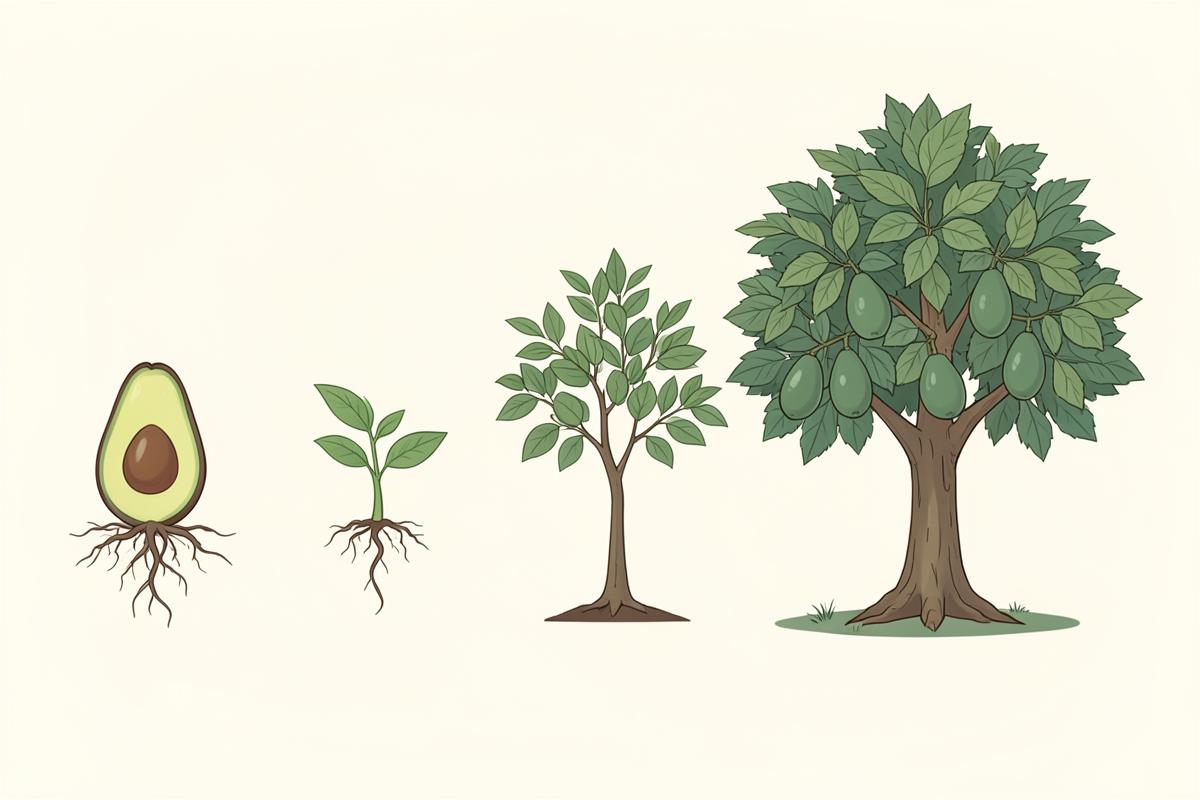
A grafted tree planted well commonly gives its first fruit around three to four years after planting, building towards meaningful crops over the following few years. Seedlings take much longer and offer no guarantees. The full stage-by-stage picture is in Avocado Plant Growth Time.
| Cause | Sign | What to do |
|---|---|---|
| Tree too young | Healthy growth, no flowers | Wait; confirm whether it is grafted |
| Too little sun | Sparse bloom, leggy growth | Relocate or thin surrounding shade |
| Root problems | Wilting despite moist soil | Improve drainage; check for root rot |
| Excess nitrogen | Lush leaves, few flowers | Reduce feeding, especially nitrogen |
| Poor bloom weather | Flowers open then drop | Little to do; protect from wind and extremes |
| Heavy pruning at the wrong time | Flowering skipped a season | Prune after harvest, lightly |
| Alternate bearing | Heavy year, then a light one | Normal; thin fruit in heavy years |
Tree too young
Too little sun
Root problems
Excess nitrogen
Poor bloom weather
Heavy pruning at the wrong time
Alternate bearing
If your tree is old enough and still bare, Why is my avocado tree not producing fruit? goes through the diagnosis step by step.
No. A single tree can set fruit because its flowers open in separate female and male phases. Planting a complementary Type A and Type B pair usually improves fruit set but is not a requirement.
Around three to four years after planting for a grafted tree in suitable conditions. Seed-grown trees commonly take five to thirteen years or more.
Yes, with a grafted compact variety, a large container, full sun and careful watering — but crops are smaller and the tree depends entirely on your watering routine.
Avocados shed the vast majority of their flowers naturally. Young trees, hot dry or cold wet weather during bloom, water stress and a lack of pollinating insects all reduce set further.
Only if a nutrient shortage was holding it back. Excess nitrogen has the opposite effect, pushing leafy growth instead of flowers.
Horticultural and nutritional claims on this page are drawn from these references.
We write from two places: published horticultural research from institutions such as ICAR-IIHR and the University of California, and what our partner farms actually observe growing avocado in Indian conditions. Where the evidence is thin or regional, we say so instead of rounding it into a confident answer.
Researched and written in-house, reviewed by our farm coordination team. Last reviewed 4 September 2026.
Our Knowledge Hub covers growing, care, varieties, grafting and fruiting in one place — and if you would rather start with an established tree, we can tell you honestly whether one will do well where you live.
Free calculators that turn this guide into a result for your own conditions.
Score your light, soil, drainage and watering, and see what to change first.
Estimate when your tree may flower and set fruit — and what is holding it back.
See where your tree sits on the growth timeline and what comes next.
Care
You cannot rush a tree past its biology, but you can remove everything that is holding it back. Here is the difference, without the marketing promises.
4 min read
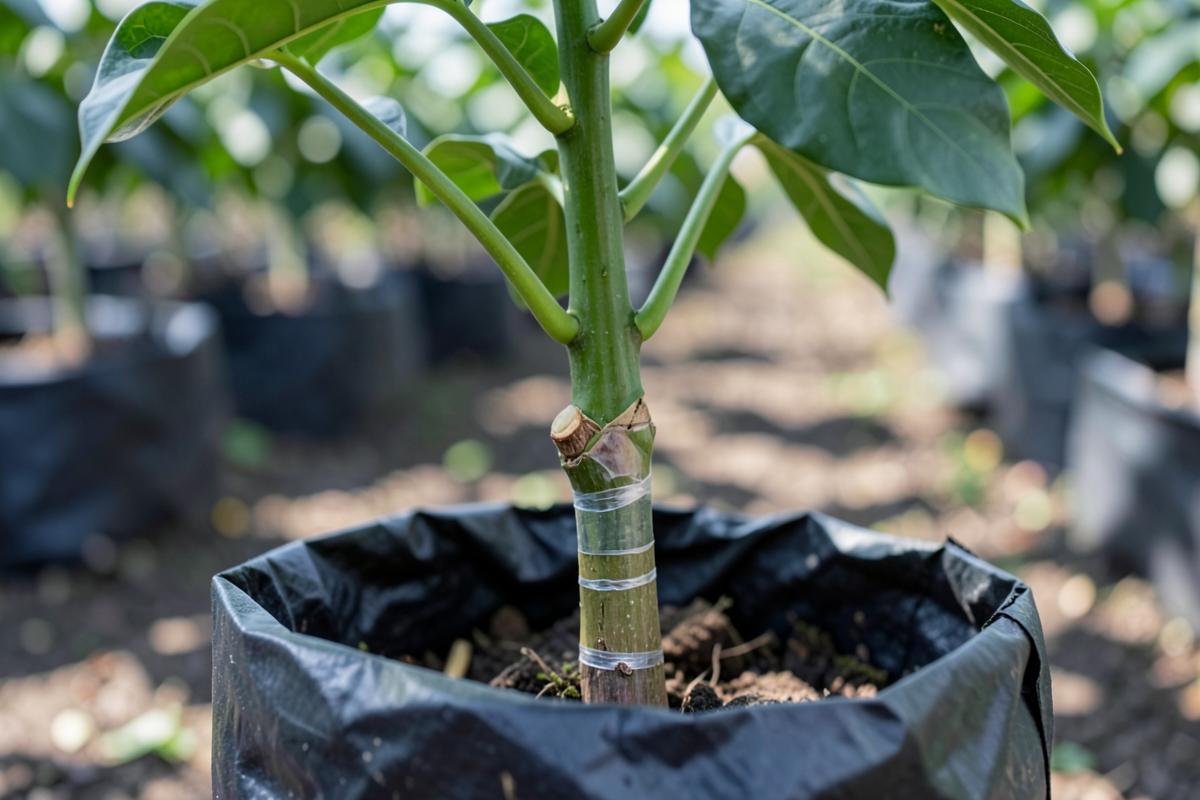
Varieties
A grafted tree is two plants working together: proven roots below, a known variety above. That combination is why orchards use them and why home growers should too.
5 min read
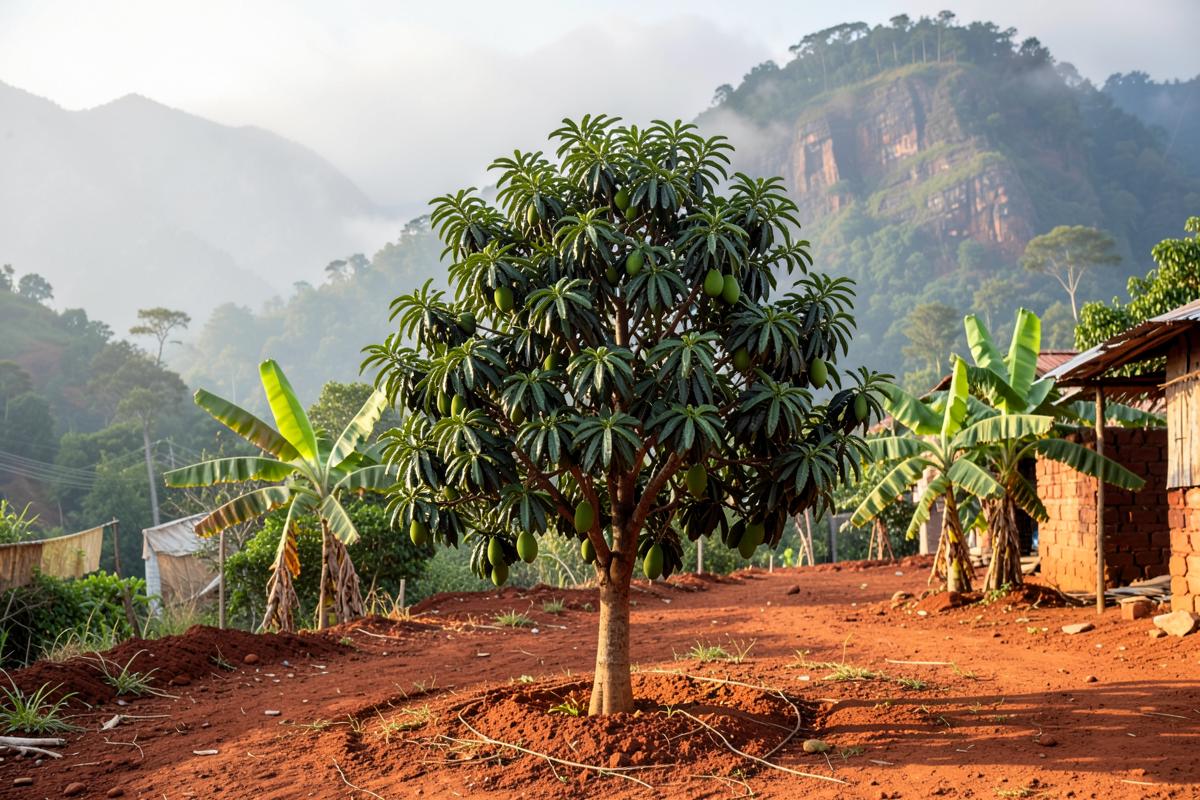
In India
Avocado is not native to India and does not suit every part of it. This guide is specific about the conditions the tree needs and how to work with Indian heat, monsoon and winter.
6 min readStart here
Tree Guide
Germination in weeks, structure in years, fruit later still. This is the realistic avocado growth timeline, with the four growing situations that change it.
4 min read