Tree Guide
1 Year Old Avocado Tree from Seed: Growth & Care
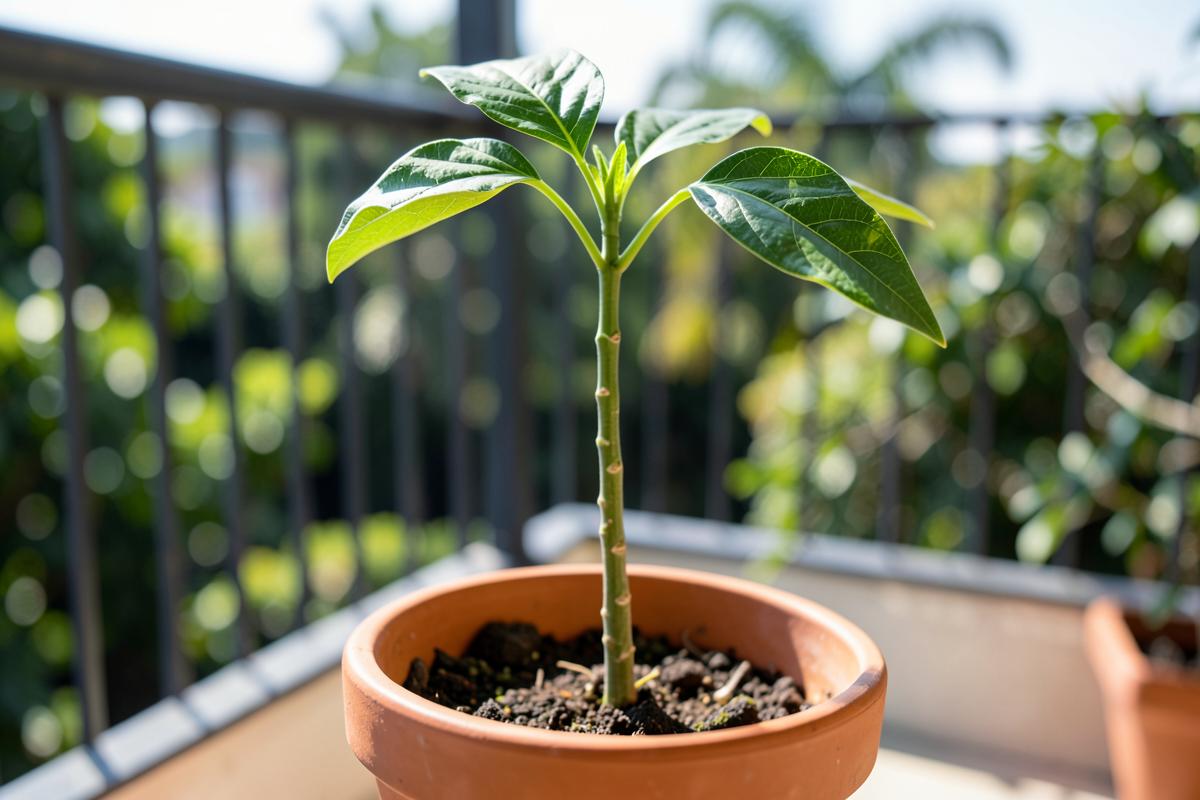
One year in, a seed-grown avocado is usually a single leggy stem with a handful of large leaves. Here is what is normal, what is a warning sign, and what to do next.
6 min read
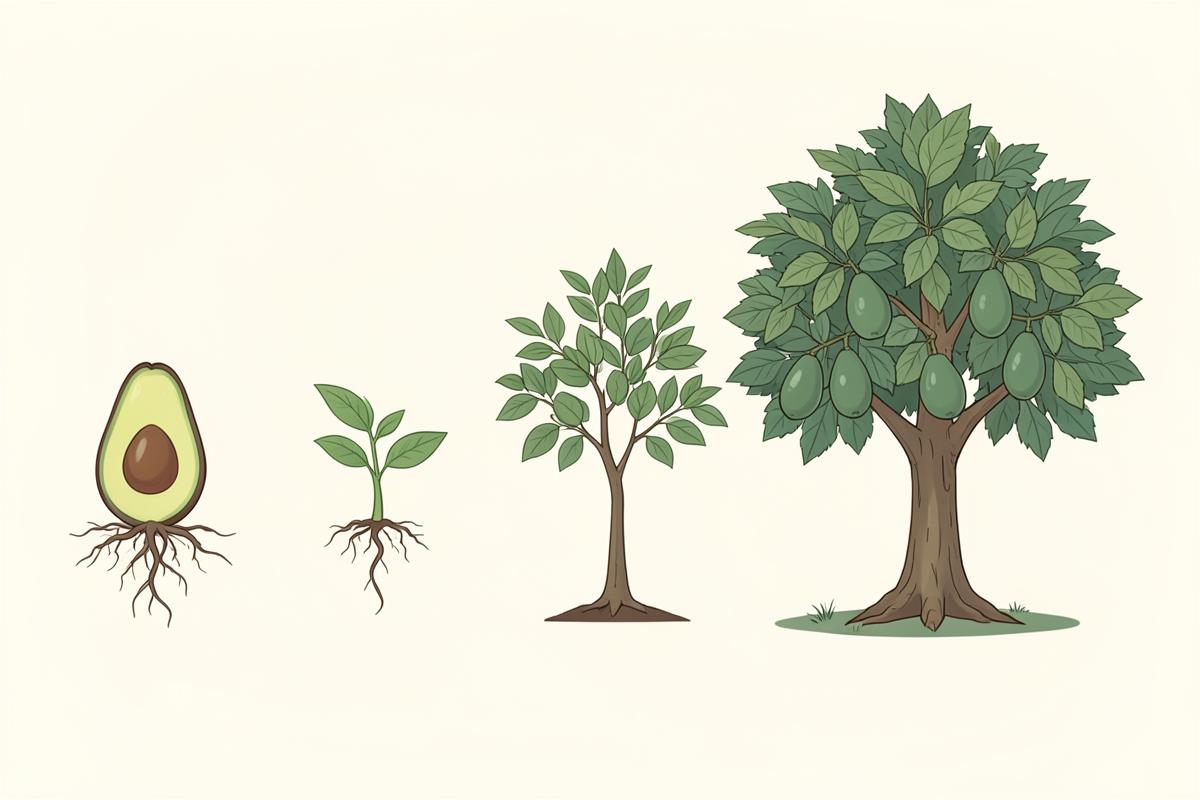
Germination in weeks, structure in years, fruit later still. This is the realistic avocado growth timeline, with the four growing situations that change it.
The short answer
An avocado seed germinates in roughly two to eight weeks, becomes a recognisable little tree within a year, and develops a woody frame over three to five years. Fruit comes later: commonly around three to four years for a grafted tree, and frequently five to thirteen or more years for a seedling.
Avocado growth is easy to misread because the visible parts and the useful parts move at different speeds. The plant looks like a tree quite quickly. Being ready to fruit is a separate milestone that depends on how the tree was propagated, and no amount of care collapses that gap entirely.
| Stage | Typical timing | What is happening |
|---|---|---|
| Seed | Week 0 | Pit cleaned and suspended in water or set in moist mix |
| Germination | 2–8 weeks | Seed splits, taproot emerges, then the shoot |
| Seedling | 2–6 months | First true leaves; single soft stem; roots fill a small pot |
| 6 months | 20–50 cm | Stem begins to firm at the base; leaves enlarge |
| 1 year | 30–90 cm | Woody at the base, still usually unbranched |
| 2 years | 0.9–1.8 m | Real branching, thicker trunk, much higher water use |
| 3 years + | 1.8–3 m | Canopy structure forms; grafted trees may flower |
| Mature tree | 5–8 years | Full canopy, regular flowering cycle |
| Fruit production | 3–4 years grafted; 5–13+ seedling | Flowering, pollination, fruit set and a long fruit development period |
Seed
Germination
Seedling
6 months
1 year
2 years
3 years +
Mature tree
Fruit production
Warmth is the deciding factor. At 25–30 °C a fresh pit often splits within a fortnight; in a cool room it can sulk for two months. A dried-out or scrubbed-clean pit frequently never sprouts at all.
This is the fastest visible phase and the one most people find deceptive. A metre of stem can appear in a season, but it is soft growth chasing light. What a one-year-old seedling should look like covers this stage in detail.
Growth shifts from height to frame. The trunk thickens, branches take on their permanent angles, and water demand rises sharply. Pruning done here shapes the tree for its whole life; pruning done later mostly removes wood.
Avocado flowers open in two stages with functionally female and male phases at different times of day, which is the basis of the Type A and Type B classification. A single tree can set fruit alone, but overlapping bloom from a second tree of the complementary type generally improves set. After a successful set, the fruit itself takes many months to reach maturity, and unlike most fruit it will not soften on the tree — it ripens after picking.
| Type | Growth pattern | Typical first fruit | Notes |
|---|---|---|---|
| Seed-grown | Vigorous, tall, unpredictable | 5–13+ years, sometimes never | Fruit type is a genetic lottery |
| Grafted | Steadier, more compact | About 3–4 years after planting | Scion wood is already mature |
| Container-grown | Slower, permanently smaller | Later than in-ground, if at all for seedlings | Root volume caps the canopy |
| Orchard-grown | Managed for even growth | Around 3–5 years, commercial yield later | Spacing, irrigation and rootstock all deliberate |
Seed-grown
Grafted
Container-grown
Orchard-grown
A container tree is not a failed orchard tree; it is a different project. Restricted roots mean a smaller canopy, less water storage and more dependence on you. That is precisely why our rental trees arrive already several years into their growing life, cared for at a partner farm through the slow early stage.
If your tree is older and still not fruiting, the causes are usually specific and diagnosable — How to Make an Avocado Tree Bear Fruit Faster works through them honestly.
Usually two to eight weeks. Warmth around 25–30 °C and a pit that has never been allowed to dry out are the two things that matter most.
In good conditions, young trees commonly add 30–90 cm a year. Growth slows as the tree matures and is much slower in containers or cool weather.
Grafted trees commonly begin around three to four years after planting. Seed-grown trees frequently take five to thirteen years or longer, and some never fruit usefully.
In the ground. Restricted root volume in a container limits both growth rate and eventual size — which is useful if you want a manageable tree.
Most trees have a full adult canopy and a settled flowering cycle by around five to eight years, though productive life continues for decades.
Horticultural and nutritional claims on this page are drawn from these references.
We write from two places: published horticultural research from institutions such as ICAR-IIHR and the University of California, and what our partner farms actually observe growing avocado in Indian conditions. Where the evidence is thin or regional, we say so instead of rounding it into a confident answer.
Researched and written in-house, reviewed by our farm coordination team. Last reviewed 4 September 2026.
Our Knowledge Hub covers growing, care, varieties, grafting and fruiting in one place — and if you would rather start with an established tree, we can tell you honestly whether one will do well where you live.
Free calculators that turn this guide into a result for your own conditions.
See where your tree sits on the growth timeline and what comes next.
An interactive visual timeline from seed to mature tree.
Score your light, soil, drainage and watering, and see what to change first.
Tree Guide
One year in, a seed-grown avocado is usually a single leggy stem with a handful of large leaves. Here is what is normal, what is a warning sign, and what to do next.
6 min read
Tree Guide
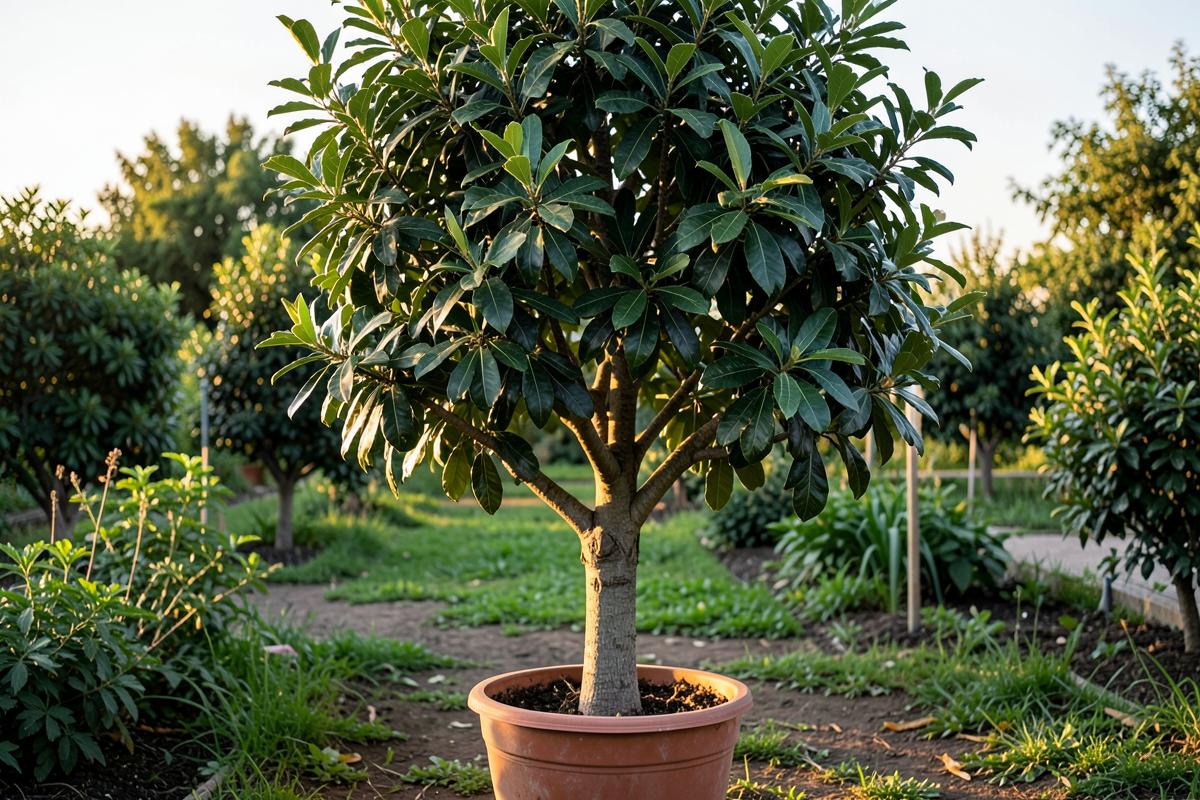
Five years in, a seedling is a real tree — trunk, canopy, appetite for water. Whether it fruits is a different question, and this guide answers it plainly.
5 min read
Varieties
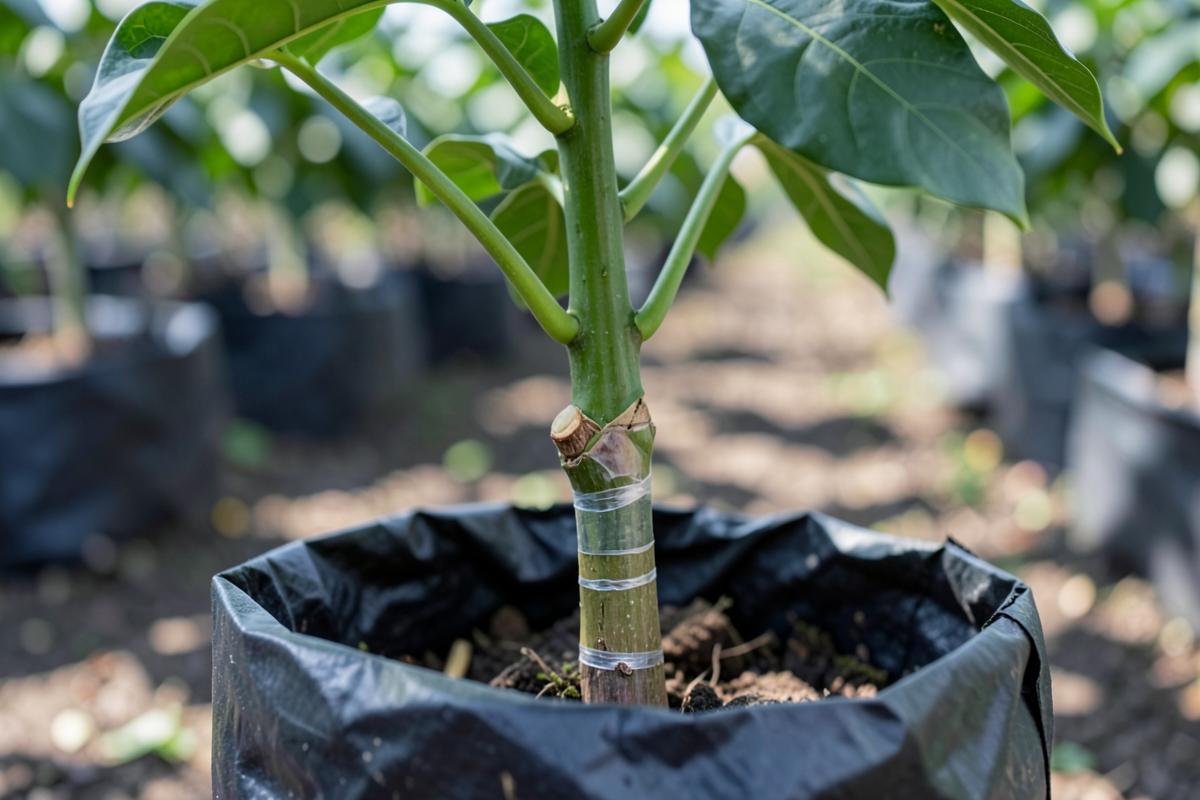
A grafted tree is two plants working together: proven roots below, a known variety above. That combination is why orchards use them and why home growers should too.
5 min read
In India
Avocado is not native to India and does not suit every part of it. This guide is specific about the conditions the tree needs and how to work with Indian heat, monsoon and winter.
6 min readStart here