Tree Guide
5 Year Old Avocado Tree from Seed: Size & Fruiting
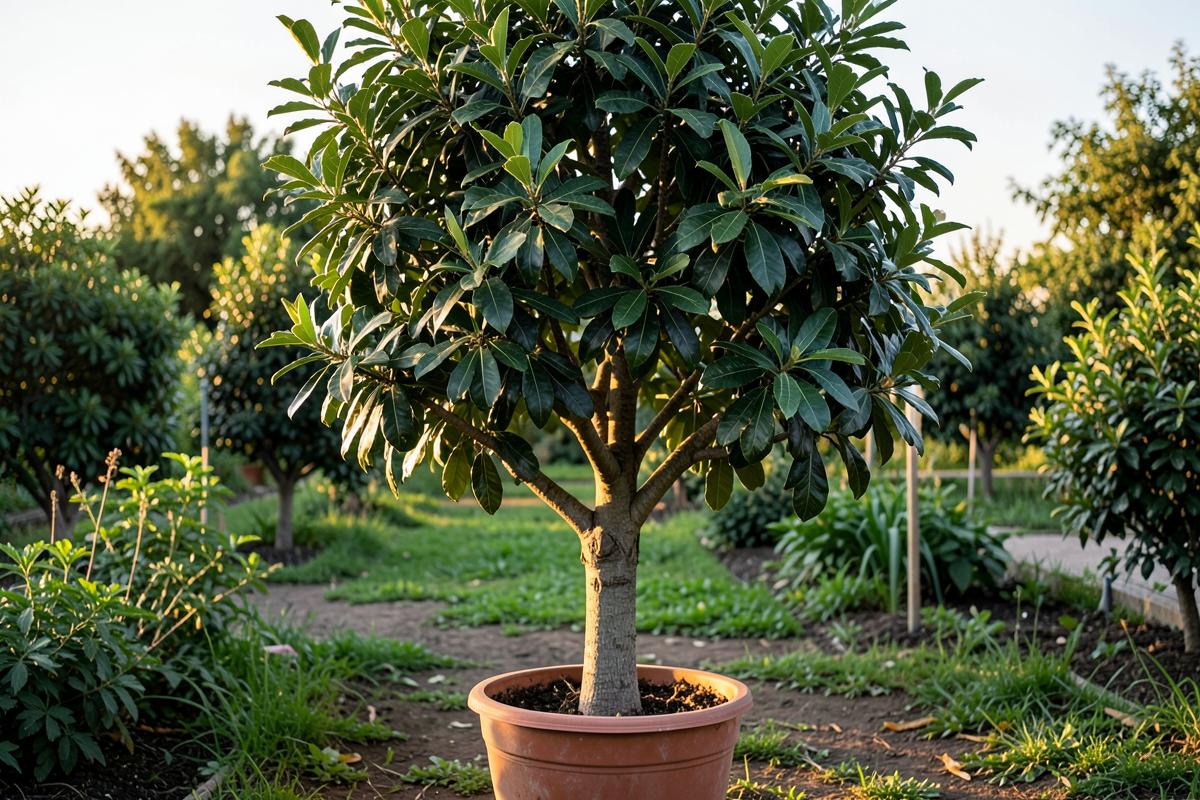
Five years in, a seedling is a real tree — trunk, canopy, appetite for water. Whether it fruits is a different question, and this guide answers it plainly.
5 min read
One year in, a seed-grown avocado is usually a single leggy stem with a handful of large leaves. Here is what is normal, what is a warning sign, and what to do next.
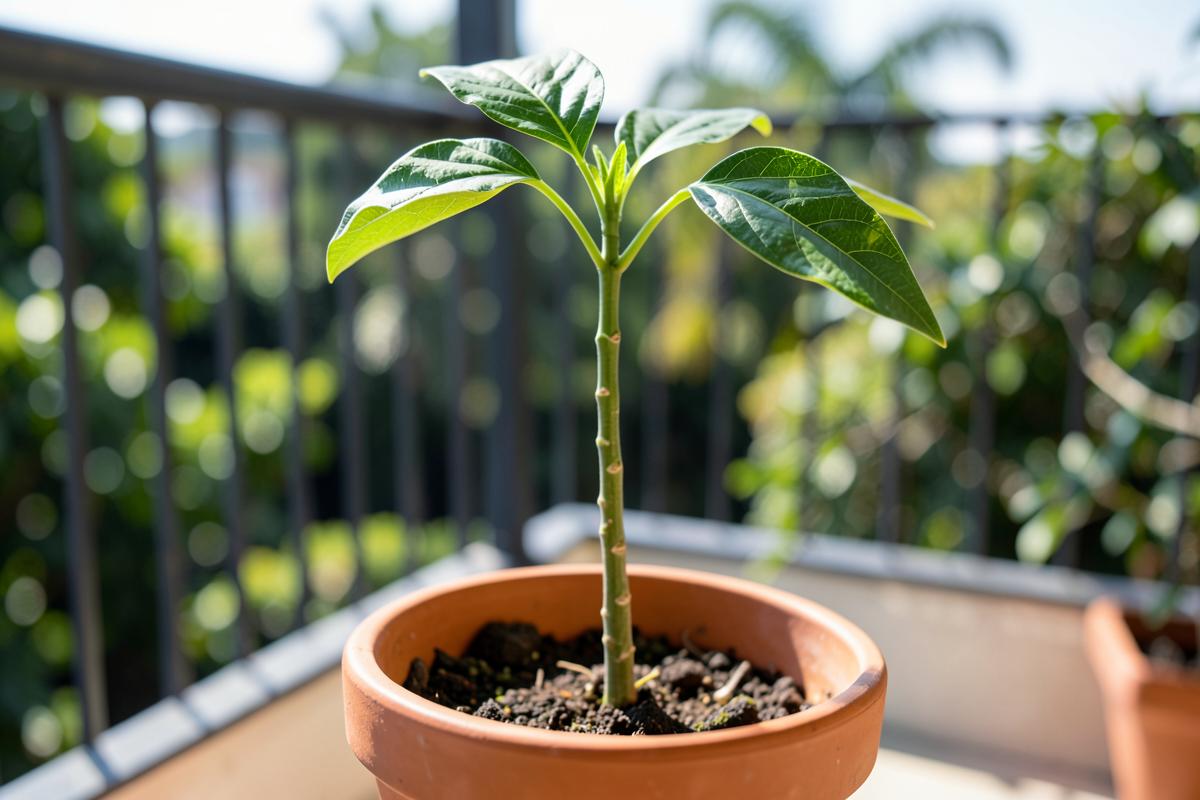
Sprouting an avocado seed on a glass of water is one of those experiments almost everyone tries once. The interesting part starts after the novelty wears off — around month eight or ten, when the plant is tall, oddly bare and you begin wondering whether something has gone wrong. Usually nothing has. Avocado seedlings simply grow the way they grow: upward first, outward much later.
At one year, a healthy seed-grown avocado is typically a single vertical stem between 30 cm and 90 cm tall, carrying five to fifteen large leaves clustered towards the top. The lower stem is often bare and slightly woody at the base while the tip stays green and soft. Side branches are the exception rather than the rule unless the stem has been cut back.
That range is wide because indoor light, pot size and how early the seedling was potted matter more than age. A seedling on a bright south-facing terrace in Pune looks quite different from one on a shaded kitchen windowsill, even if they were sprouted the same week.
| Part of the plant | What is normal at one year |
|---|---|
| Height | 30–90 cm, usually a single stem |
| Stem | Pencil-thick at the base, still green in the top third |
| Leaves | 5–15 leaves, 10–25 cm long, concentrated near the top |
| Roots | A thick taproot plus fine surface roots filling a 20 cm pot |
| Branching | None, unless the tip was pinched or cut |
| Flowers or fruit | None — and none expected |
Height
Stem
Leaves
Roots
Branching
Flowers or fruit
Avocado roots are unusual. Rather than a fibrous mat, the plant sends down a strong taproot early and then feeds mostly through fine roots sitting in the top few centimetres of soil. Those surface roots have very few root hairs, which is why avocados are so sensitive to both drying out and standing water.
In practice this means the first year is largely about not drowning the plant. Root rot caused by Phytophthora cinnamomi takes hold in soil that stays saturated, and it is the single most common reason a promising seedling suddenly wilts and never recovers.
Check the drainage before anything else
If water sits on the surface for more than a few seconds after watering, the mix is too heavy. Repot into a coarse blend — garden soil cut with coco peat and coarse sand or perlite — rather than trying to water less.
A 20–25 cm wide, similarly deep pot suits most one-year-old seedlings. Depth matters more than width because of the taproot. Oversizing the pot is a real mistake: a large volume of soil around a small root system stays wet far too long.
| Tree age | Pot size | Note |
|---|---|---|
| Sprout to 6 months | 15 cm deep pot | Move on as soon as roots circle the base |
| 1 year | 20–25 cm | Deep rather than wide |
| 2–3 years | 35–45 cm | Add drainage holes if the container lacks them |
| 4 years and beyond | Half-barrel or ground | Container trees stay smaller permanently |
Sprout to 6 months
1 year
2–3 years
4 years and beyond
Aim for at least six hours of direct sun. Avocado is a full-sun tree; indoors, even a bright room is dimmer than it appears. Long bare stretches of stem between leaves are the plant telling you it is reaching for light. Move it outdoors gradually over a week or two so the leaves are not scorched by the sudden change.
Water deeply when the top three to four centimetres of mix have dried, then let the pot drain freely. In an Indian summer on an exposed balcony that may mean daily watering; through the monsoon it may mean moving the pot under cover for weeks. Follow the soil, not a schedule.
Young avocados need very little. A light feed of balanced fertiliser or well-rotted compost every six to eight weeks during active growth is plenty. Heavy feeding pushes soft, weak growth and adds salts that the plant's shallow roots resent.
Yes, if the plant is a single tall whip. Cutting the stem back to around 30 cm above the soil when the plant is growing actively encourages branching from lower buds and produces a fuller, sturdier plant. The tree loses height in the short term and gains structure it will keep for years. If your seedling has already branched naturally, leave it alone.
Not at one year, and not for a long time after. Trees grown from seed commonly take somewhere in the range of five to thirteen or more years before flowering, and the fruit — if it arrives — will not reliably resemble the avocado the seed came from, because avocados do not come true from seed. Grafted trees, by contrast, are propagated from mature wood of a known variety and generally begin bearing around three to four years after planting.
| Seed-grown | Grafted | |
|---|---|---|
| Typical first fruit | Often 5–13+ years, sometimes never | Commonly 3–4 years after planting |
| Fruit quality | Unpredictable | Matches the named variety |
| Tree size | Tends to be larger and more vigorous | More predictable, easier to keep small |
| Cost | Free | Nursery price |
| Best for | Learning and enjoying the plant | Actually harvesting avocados |
Typical first fruit
Fruit quality
Tree size
Cost
Best for
Neither choice is wrong. A seedling is a genuinely rewarding houseplant and a good way to learn the species. If the goal is fruit, read Grafted Avocado Tree and How to Grow an Avocado Tree That Bears Fruit before you invest more years in a seedling.
If you want the full arc rather than a single year, Avocado Plant Growth Time maps every stage from seed to bearing tree.
Usually 30–90 cm. Height depends far more on light and pot size than on age. A shorter, thicker, well-branched plant is healthier than a tall thin one.
Avocado seedlings naturally carry leaves at the top of a single stem and shed lower ones. If new leaves are small or widely spaced, the plant needs more direct sunlight.
Often yes. Once the stem is roughly pencil-thick, a seedling can serve as rootstock for a scion of a known variety. This is the usual way to turn a seedling into a tree that may actually fruit.
If your winters stay above roughly 5 °C, yes — but acclimatise it over one to two weeks. Sudden full sun after months indoors will scorch the leaves.
Almost certainly not. Avocado seedlings are genetically distinct from the parent, so fruit size, flavour and season are all unpredictable.
Horticultural and nutritional claims on this page are drawn from these references.
We write from two places: published horticultural research from institutions such as ICAR-IIHR and the University of California, and what our partner farms actually observe growing avocado in Indian conditions. Where the evidence is thin or regional, we say so instead of rounding it into a confident answer.
Researched and written in-house, reviewed by our farm coordination team. Last reviewed 4 September 2026.
Our Knowledge Hub covers growing, care, varieties, grafting and fruiting in one place — and if you would rather start with an established tree, we can tell you honestly whether one will do well where you live.
Free calculators that turn this guide into a result for your own conditions.
An interactive visual timeline from seed to mature tree.
Score your light, soil, drainage and watering, and see what to change first.
Estimate when your tree may flower and set fruit — and what is holding it back.
Tree Guide
Five years in, a seedling is a real tree — trunk, canopy, appetite for water. Whether it fruits is a different question, and this guide answers it plainly.
5 min read
Tree Guide
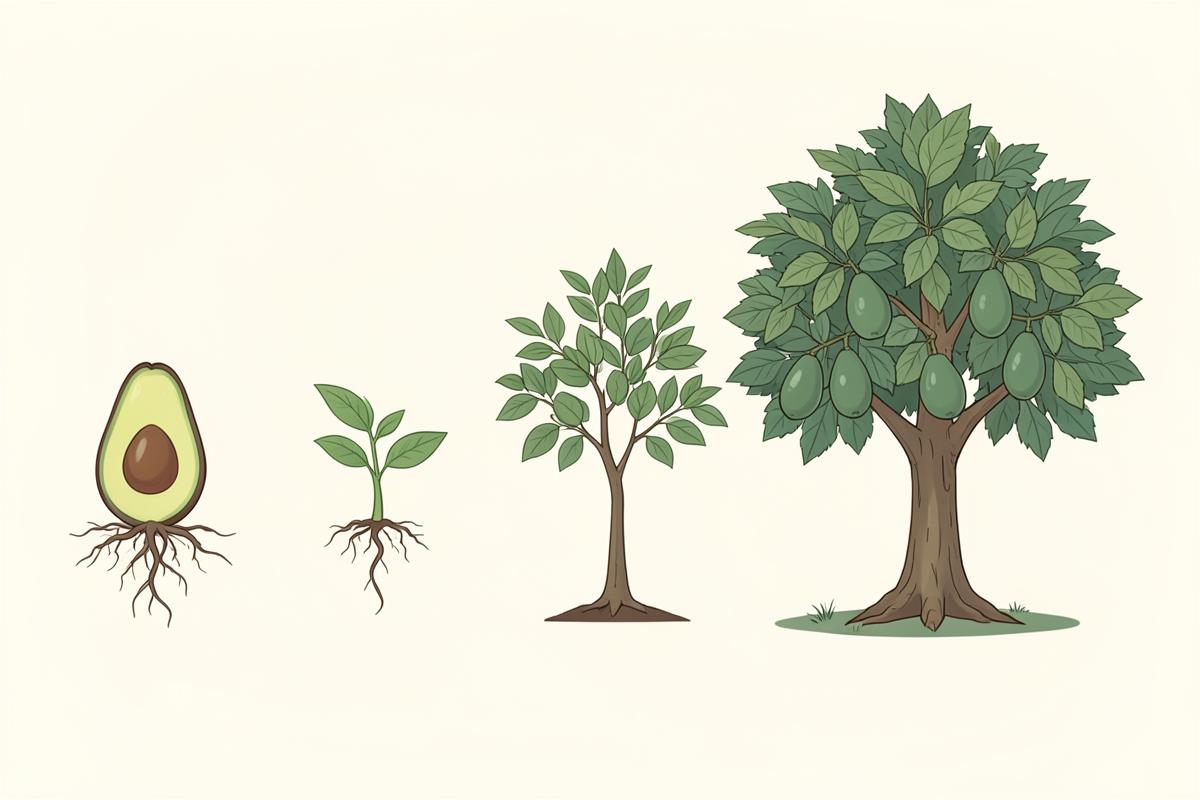
Germination in weeks, structure in years, fruit later still. This is the realistic avocado growth timeline, with the four growing situations that change it.
4 min read
Varieties
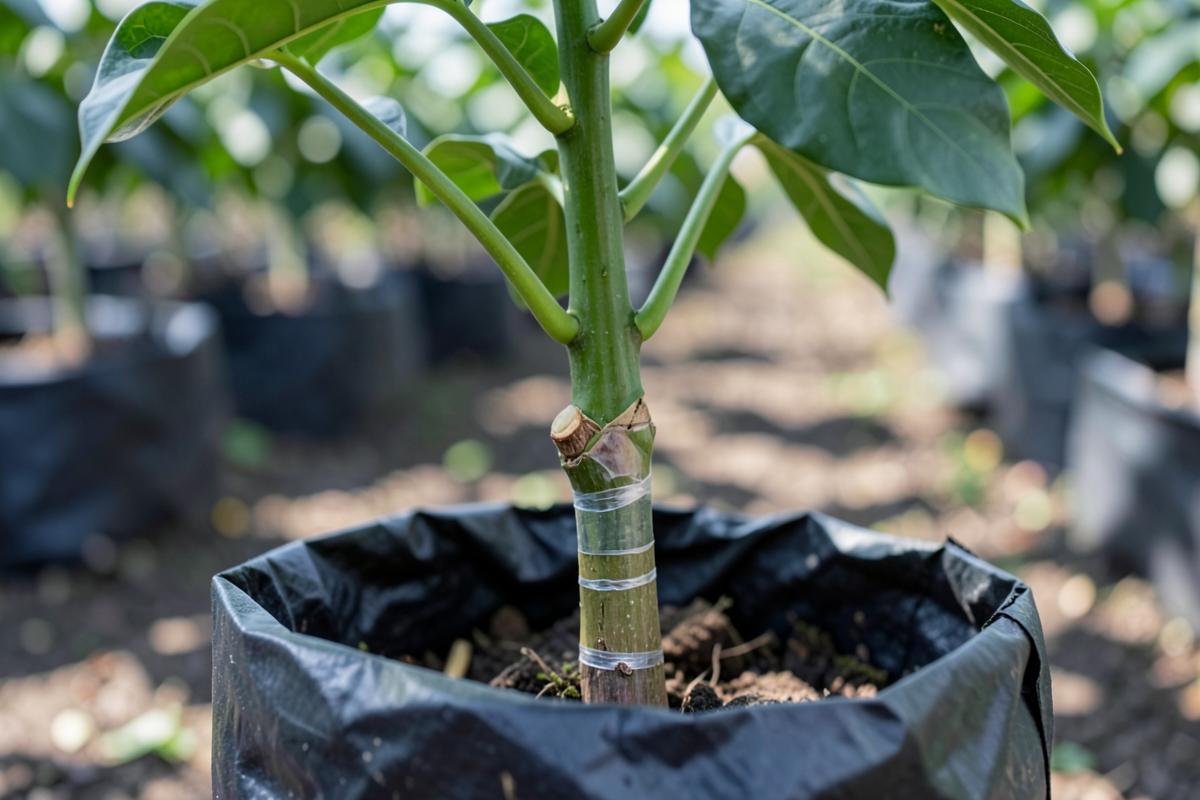
A grafted tree is two plants working together: proven roots below, a known variety above. That combination is why orchards use them and why home growers should too.
5 min read
Tree Guide
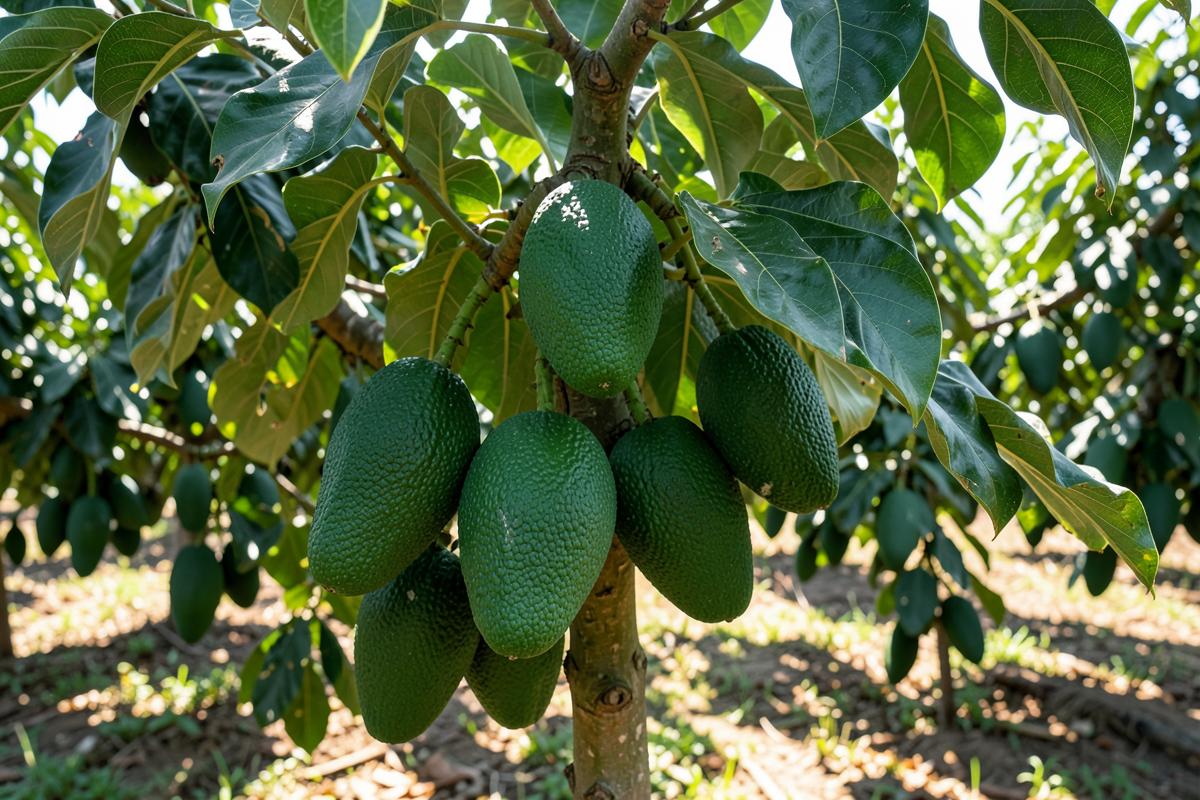
Fruit is decided long before flowering: by the tree you choose, the site you give it and the water at its roots. This guide runs through each decision in the order it matters.
5 min read