Farming
Avocado Grafting Techniques: Methods, Timing, Aftercare
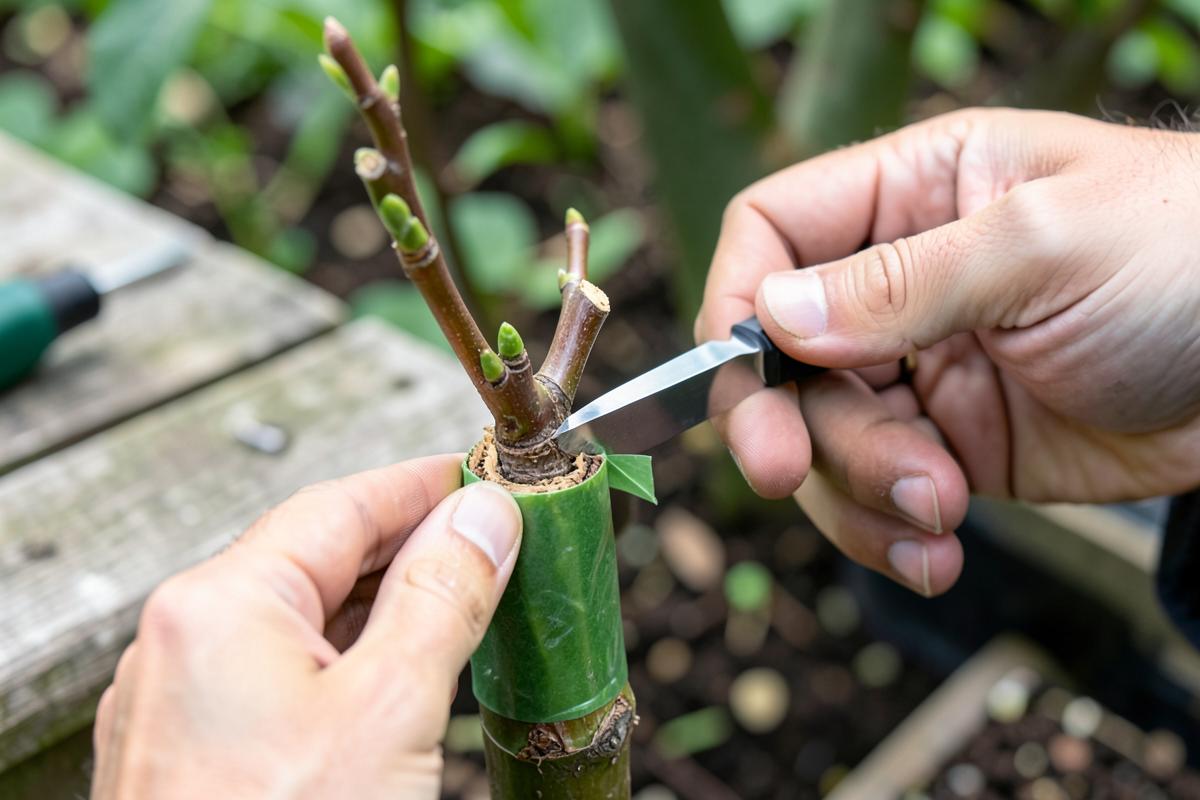
There is no secret new avocado graft. There are well-proven methods, and the difference between success and failure is usually cambium contact, timing and aftercare.
6 min read
A grafted tree is two plants working together: proven roots below, a known variety above. That combination is why orchards use them and why home growers should too.
What is a grafted avocado tree?
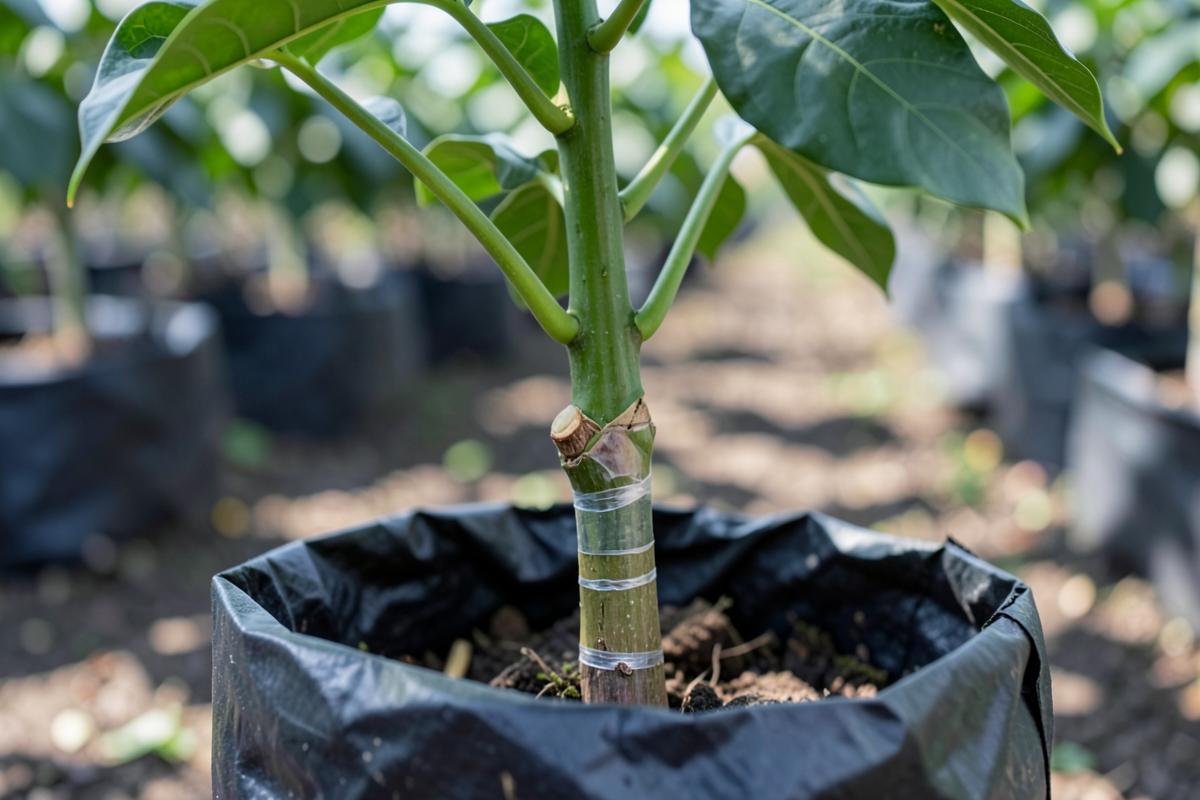
It is a tree made from two parts joined together: a rootstock grown from seed that supplies the root system, and a scion — a piece of wood cut from an adult tree of a chosen variety — that becomes the trunk and canopy. Every fruit the tree produces comes from the scion's genetics.
Almost every avocado you have eaten grew on a grafted tree. It is not a shortcut or a novelty; it is the only practical way to reproduce a named variety, because avocados do not come true from seed. Plant a Hass pit and you get a new, unnamed tree with unpredictable fruit.
The nursery raises a seedling until its stem is roughly pencil-thick. A short length of scion wood carrying dormant buds is cut from a mature tree of the wanted variety, shaped to match a cut in the rootstock, and bound tightly so the two cambium layers — the thin growing tissue just under the bark — are in contact. If they knit, the scion's buds break and the tree grows on as one plant.
| Rootstock | Scion | |
|---|---|---|
| What it is | Seedling providing roots and lower stem | Wood from an adult tree of a chosen variety |
| Decides | Root disease tolerance, salt and soil tolerance, some vigour | Fruit type, flavour, season, flowering type, canopy habit |
| Chosen for | Local soil and disease conditions | Fruit quality and climate suitability |
What it is
Decides
Chosen for
In areas where Phytophthora root rot is a persistent problem, rootstock selection is a serious decision rather than a detail — tolerant rootstocks are one of the few effective tools against it.
| Factor | Grafted avocado tree | Seed-grown avocado tree |
|---|---|---|
| Time to first fruit | Commonly 3–4 years after planting | Often 5–13+ years, sometimes never |
| Fruit quality | True to the named variety | Unpredictable size, flavour and oil content |
| Flowering type | Known (A or B), so pairing is possible | Unknown until it flowers |
| Tree size | More predictable, easier to keep compact | Often taller and more vigorous |
| Disease tolerance | Can be selected via the rootstock | Whatever the seedling happens to have |
| Cost | Nursery price | Free from a fruit pit |
| Best suited to | Growers who want fruit | Learning, greenery, experimenting |
Time to first fruit
Fruit quality
Flowering type
Tree size
Disease tolerance
Cost
Best suited to
If you already have a seedling, you are not stuck — it can be grafted later. A 5 year old avocado tree from seed explains how top-working an established seedling changes its prospects.
Typically around three to four years after planting, with crops building over the following several years. A container-grown grafted tree usually takes a year or so longer and produces less. The scion is already mature wood, which is exactly why the wait is measured in a few years rather than a decade.
Keep the union above the soil
If the graft union is buried when planting, the scion can root into the soil and bypass the rootstock entirely — losing whatever disease tolerance you paid for. Plant slightly high and keep mulch away from the union.
Plant out once the tree has settled after grafting and the weather is mild — for most of India, after the peak heat and either side of the monsoon rather than in the middle of it. Disturb the root ball as little as possible, dig wide rather than deep, and water in thoroughly. Avocado roots are brittle and resent handling.
Before you pay for a grafted avocado tree
If you would rather not manage the early years yourself, that is essentially what our service offers: trees grown at a partner farm using natural farming practices, then delivered to your home where our routes reach. See how avocado tree rental works.
For fruit, yes. A grafted tree bears years earlier and produces fruit true to a named variety. A seedling is still a rewarding plant, but its fruit and timing are unpredictable.
Usually three to four years after planting, with the crop building over the following years. Container-grown trees typically take a little longer and bear less.
Well above the soil line — commonly 15–30 cm. If it is buried, the scion may root directly and the rootstock's disease tolerance is lost.
Yes, once the stem is roughly pencil-thick and you can obtain scion wood from a known bearing tree. Cleft and side grafts are the usual home methods.
More predictable rather than automatically small. Size comes mainly from the variety, the rootstock's vigour and your pruning — a grafted tree simply makes that predictable.
Horticultural and nutritional claims on this page are drawn from these references.
We write from two places: published horticultural research from institutions such as ICAR-IIHR and the University of California, and what our partner farms actually observe growing avocado in Indian conditions. Where the evidence is thin or regional, we say so instead of rounding it into a confident answer.
Researched and written in-house, reviewed by our farm coordination team. Last reviewed 4 September 2026.
Our Knowledge Hub covers growing, care, varieties, grafting and fruiting in one place — and if you would rather start with an established tree, we can tell you honestly whether one will do well where you live.
Free calculators that turn this guide into a result for your own conditions.
Which starting point fits your goal — a seed or a grafted tree?
A short quiz that shortlists varieties suited to your climate and goal.
Compare two to four varieties side by side on the things that matter.
Farming
There is no secret new avocado graft. There are well-proven methods, and the difference between success and failure is usually cambium contact, timing and aftercare.
6 min read
Care
You cannot rush a tree past its biology, but you can remove everything that is holding it back. Here is the difference, without the marketing promises.
4 min read
Tree Guide
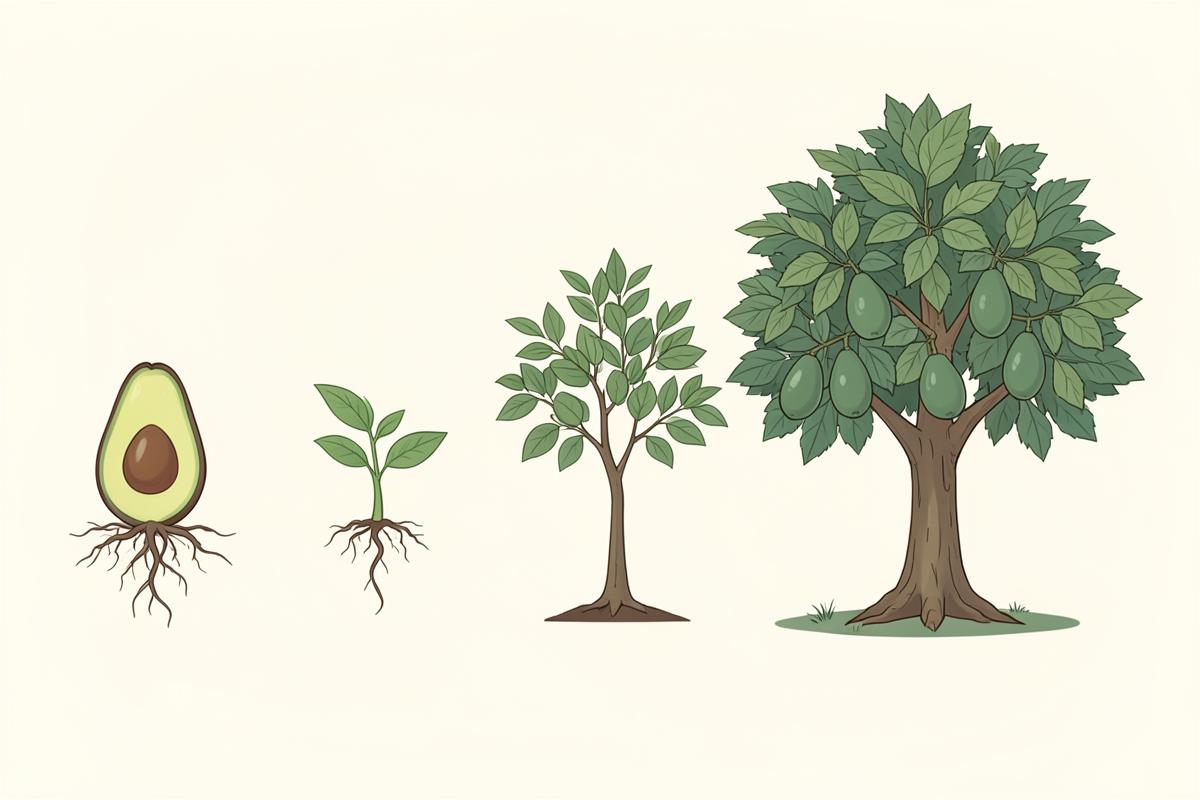
Germination in weeks, structure in years, fruit later still. This is the realistic avocado growth timeline, with the four growing situations that change it.
4 min read
Tree Guide
One year in, a seed-grown avocado is usually a single leggy stem with a handful of large leaves. Here is what is normal, what is a warning sign, and what to do next.
6 min read