Rental
What Is an Avocado Tree Rental? A Complete Explanation
Not a subscription box, not a nursery sapling. A living tree that a farmer has already grown for years, delivered to your home and supported while it is with you.
4 min readStart here
Availability check, matching, delivery, settling in, ongoing support, renewal or return. Here is what actually happens at each stage.
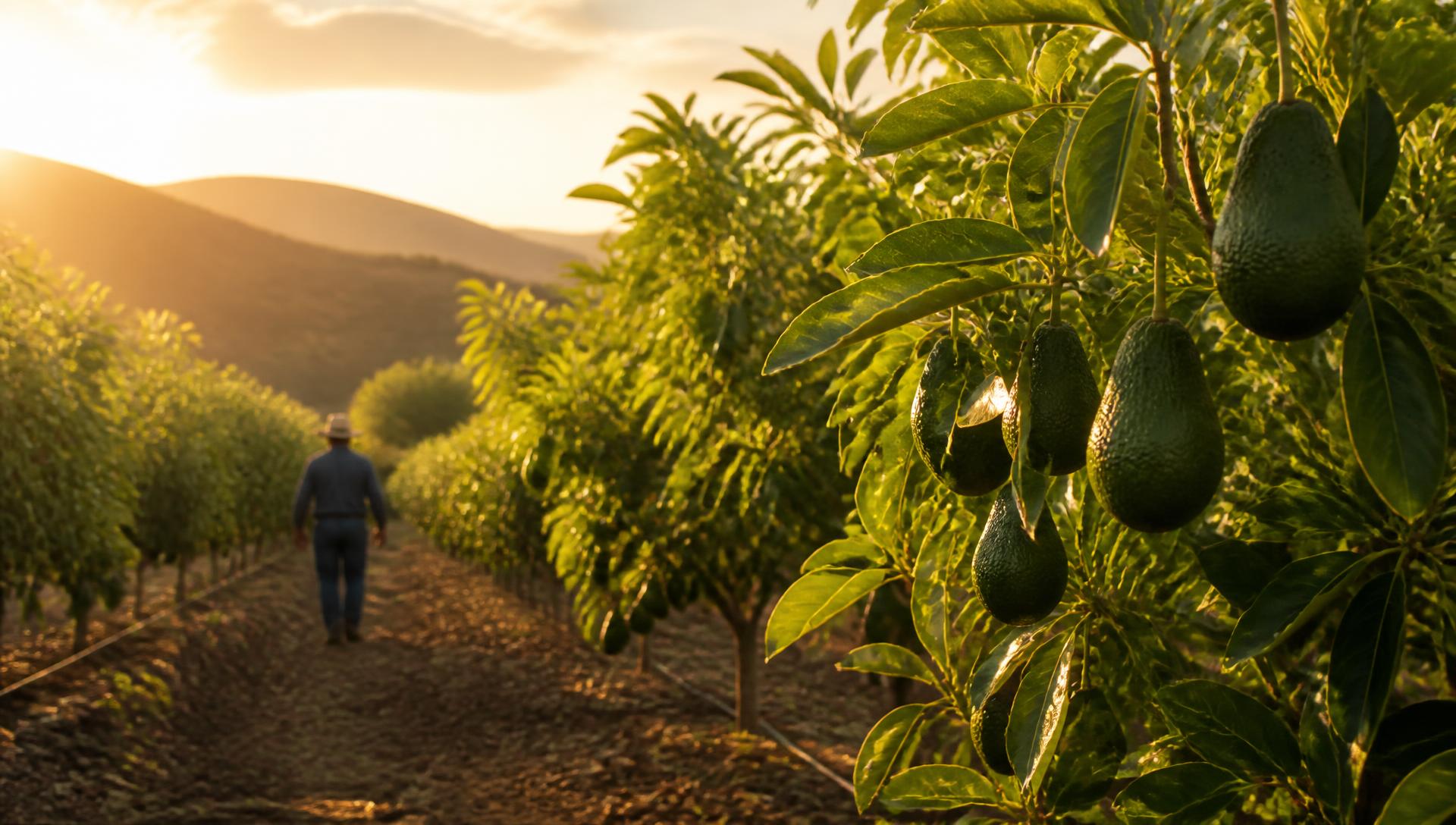
Renting a tree is more involved than ordering a plant online, and deliberately so. A living tree has to be matched to a place it can survive. Here is the whole sequence.
Everything starts with whether we can serve your area. A tree needs a partner farm close enough to source from and a delivery route that will not stress the plant. Where those do not exist yet, we say so.
Check your city on the service areas section. Statuses are honest: live means we deliver today, coming soon means the pipeline is underway, planned means it is on the roadmap without a date.
This is the part that most determines whether the tree thrives. We ask about a small number of things that actually matter:
| What we ask | Why it matters |
|---|---|
| Hours of direct sun, and at what time of day | Avocado wants six or more hours. Fierce afternoon-only sun is harder on a young tree than the same hours in the morning. |
| Balcony, terrace, courtyard or garden | Determines container versus ground planting, and how exposed the tree will be. |
| Wind exposure | Shallow-rooted trees with broad canopies suffer in constant wind and on high, exposed balconies. |
| How much space you can give it | Sets which variety and what size of tree we send. |
| Who will water it, and what happens when you travel | A fortnight unwatered in May is the most common way a healthy tree dies. |
Hours of direct sun, and at what time of day
Balcony, terrace, courtyard or garden
Wind exposure
How much space you can give it
Who will water it, and what happens when you travel
We will say no
If your space cannot support an avocado, we would rather tell you than take the money and send a tree that will decline. That conversation is free.
Plans differ mainly by how far along the tree already is when it arrives, and what level of support comes with it. A younger tree means watching more of the growth yourself; an established tree means arriving closer to fruiting. Compare the plans for the current options and pricing.
Once your booking is confirmed, a specific tree is selected at a partner farm. Before it travels, it is prepared for the move — this is real horticultural work, not packing. A tree that is pushing a soft new growth flush travels badly; one that has hardened off travels well.
This is also why timing is not always instant. We schedule around the tree's condition and the weather, not just the calendar. Read more about the farmers behind this.
Transplant shock is normal
A tree that has just moved may drop a few leaves or look sulky for a week or two. That is an adjustment, not a failure. What is not normal is rapid wholesale leaf drop — tell us straight away if that happens.
Day to day, the job is small: water properly, keep drainage clear, and pay attention. Our care cluster covers the specific problems you might run into — brown leaf tips, yellowing, stalled growth and the rest.
You are never diagnosing alone. Send a photo and we will tell you what we are seeing.
Continuity matters more than people expect. An avocado that stays in one good spot for years outperforms one that is moved repeatedly — see how long you can rent.
In its container, secured for transit, and placed where you have chosen. We check the position for light, drainage and stability, water it in, and walk you through the first week of care.
Because the tree stays our property, its health stays our responsibility. Where a tree fails for reasons outside your control, we replace it. Tell us early — most problems are recoverable if we hear about them quickly.
It depends on your area's status and the condition of trees at the partner farm. We schedule around what the tree can handle, so a short wait for a better-timed move is common.
Check with us first. Avocado dislikes disturbance, and a spot chosen for light and drainage is usually chosen for good reason. Small adjustments are fine; relocations are worth a quick message.
Horticultural and nutritional claims on this page are drawn from these references.
We write from two places: published horticultural research from institutions such as ICAR-IIHR and the University of California, and what our partner farms actually observe growing avocado in Indian conditions. Where the evidence is thin or regional, we say so instead of rounding it into a confident answer.
Researched and written in-house, reviewed by our farm coordination team. Last reviewed 3 September 2026.
Our Knowledge Hub covers growing, care, varieties, grafting and fruiting in one place — and if you would rather start with an established tree, we can tell you honestly whether one will do well where you live.
Free calculators that turn this guide into a result for your own conditions.
Score your light, soil, drainage and watering, and see what to change first.
Estimate when your tree may flower and set fruit — and what is holding it back.
See where your tree sits on the growth timeline and what comes next.
Rental
Not a subscription box, not a nursery sapling. A living tree that a farmer has already grown for years, delivered to your home and supported while it is with you.
4 min readStart here
Rental
The tree, the delivery, the care guidance and our responsibility for the tree's health. And clearly, the things that are on you.
3 min read
Rental
The routine is short: water properly, keep drainage clear, watch the leaves, tell us early. Here is the seasonal detail behind that.
3 min read
Rental
What drives the price, how rental compares to buying an equivalent tree, and where to find the current plan pricing.
3 min read