Tree Guide
How to Grow an Avocado Tree That Bears Fruit
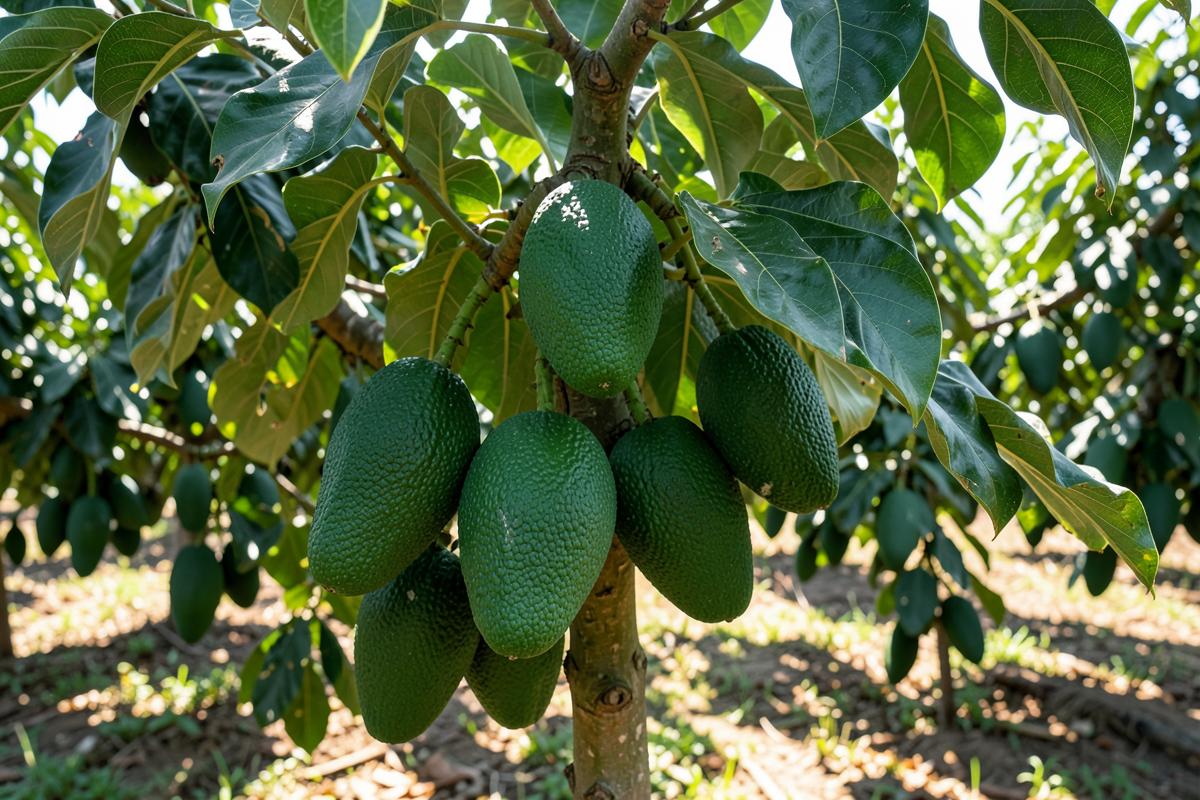
Fruit is decided long before flowering: by the tree you choose, the site you give it and the water at its roots. This guide runs through each decision in the order it matters.
5 min read
You cannot rush a tree past its biology, but you can remove everything that is holding it back. Here is the difference, without the marketing promises.
Set expectations before you start
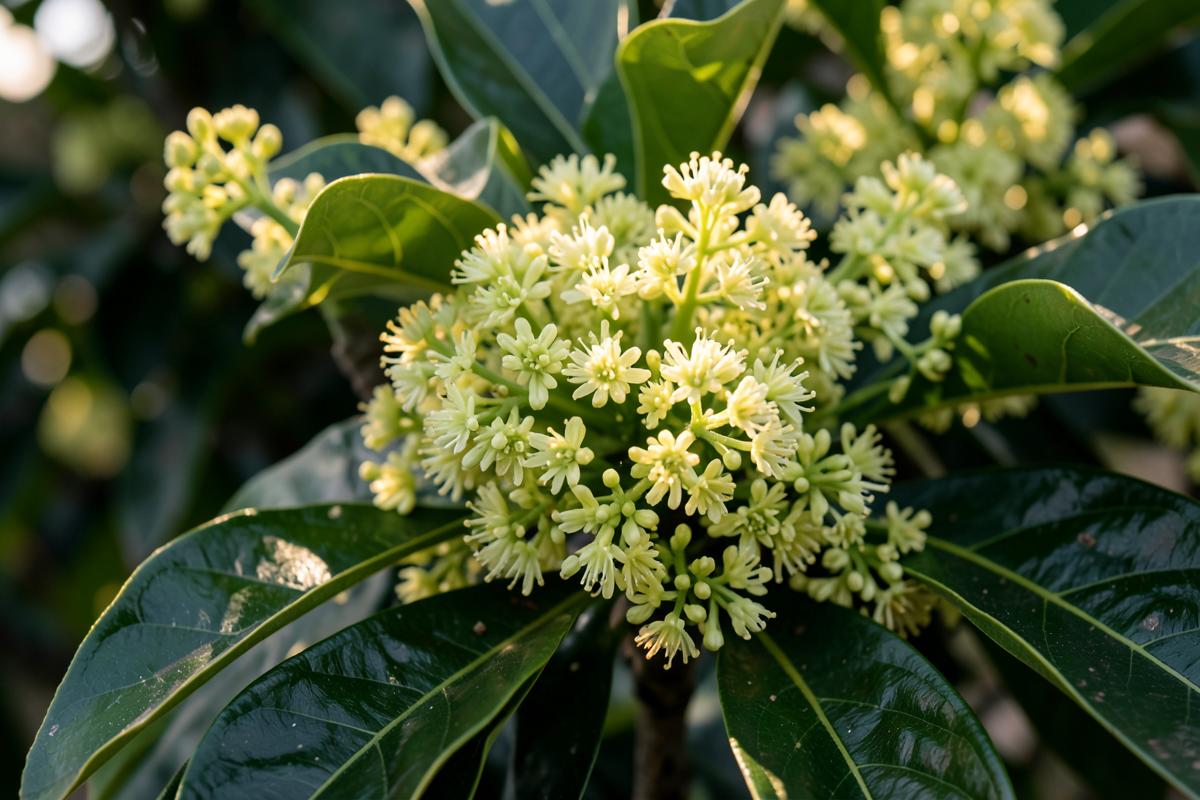
Nothing reliably makes an avocado fruit within a year of planting. What you can do is remove the limits — light, roots, water, nutrition, pollination — so the tree reaches its natural fruiting age in the best possible condition, and does not skip seasons afterwards.
The question behind this one is usually impatience with a specific tree, and that is fair. But it helps to separate two very different things: the age at which a tree becomes capable of flowering, which is largely fixed by how it was propagated, and whether it manages to flower and hold fruit, which is entirely about conditions. You have real influence over the second.
| Tree | First flowers | First usable fruit |
|---|---|---|
| Grafted, planted in ground | 2–3 years after planting | About 3–4 years |
| Grafted, large container | 3–4 years | 4–5 years, smaller crops |
| Seed-grown, in ground | 5–10 years | 5–13+ years, sometimes never |
| Seedling later top-worked | 1–3 years after grafting | 2–4 years after grafting |
Grafted, planted in ground
Grafted, large container
Seed-grown, in ground
Seedling later top-worked
If your tree came from a supermarket seed, the fastest legitimate route to fruit is to graft it with wood from a known bearing variety rather than to wait. An established root system carrying a mature scion is a strong combination. Avocado Grafting Techniques covers the methods and the right season.
Flower initiation is expensive, and trees only pay for it when they have surplus energy. Six hours of direct sun is a minimum; eight is better. Shifting a potted tree a couple of metres to clear a wall's shadow often does more than any product you can buy.
A tree with compromised roots will not fruit no matter how well the canopy looks. Check drainage first: water should disappear from the surface within seconds. If the soil stays soggy, raise the planting, coarsen the mix or move the tree. Root rot is the most common hidden cause of a tree that grows slowly and never blooms.
Consistent moisture through flowering and early fruit set has more effect on the crop than the total amount of water you apply over a year. Let the surface dry, then water deeply. Where water is hard, water generously enough to flush salts through the root zone.
On feeding: split small doses across the growing season. Excess nitrogen is a classic reason for a big green tree with no flowers. Zinc deficiency is common in alkaline soils and shows as small, narrow leaves with shortened growth between them.
Light annual pruning after harvest keeps the canopy open and productive. Hard pruning does the opposite in the short term: the tree responds with vegetative regrowth and often skips a flowering season. If you must reduce a large tree, stage it over two or three years.
Cold snaps during flowering, hot dry winds, and waterlogged monsoon soil all cost you a crop. You cannot change the season, but a windbreak, a lightly shaded western side in extreme heat, and raised planting in high-rainfall areas all meaningfully improve the odds.
| Mistake | Why it backfires |
|---|---|
| Frequent light watering | Keeps the surface wet and the deep roots dry |
| Heavy nitrogen feeding | Buys leaves at the cost of flowers |
| Repotting every year | Constant root disturbance resets the tree |
| Hard pruning each spring | Removes flowering wood and triggers regrowth |
| Growing in part shade | Never accumulates the energy to bloom |
| Waiting on an ungrafted seedling | The clock may simply be much longer than expected |
Frequent light watering
Heavy nitrogen feeding
Repotting every year
Hard pruning each spring
Growing in part shade
Waiting on an ungrafted seedling
Be sceptical of anything promising fruit in a year, of hormone sprays sold as fruiting triggers for home trees, and of severe root pruning presented as a way to force flowering. Girdling and plant growth regulators are used in some commercial systems under specific conditions and expert supervision; misapplied on a young home tree they cause damage rather than fruit. We would rather tell you a timeline you can plan around than one that sells a product.
If you would rather skip the slow early years entirely, that is essentially what our rental model does — the tree spends its first years at a partner farm and arrives already established.
No. Even a grafted tree normally needs about three to four years after planting. Anything promising fruit within a year is not describing how avocados grow.
Yes, substantially. Scion wood taken from an adult tree has already passed the juvenile phase, so a grafted tree can flower years earlier than a seedling.
Light pruning that opens the canopy to light helps. Hard pruning delays fruiting, because the tree responds with leafy regrowth and often skips a bloom.
There is no fruiting fertiliser as such. Correcting a genuine deficiency helps; over-applying nitrogen actively suppresses flowering. Split small doses across the growing season.
It can help where insect activity is very low, such as an enclosed balcony. In a garden with normal bee traffic it makes little practical difference.
Horticultural and nutritional claims on this page are drawn from these references.
We write from two places: published horticultural research from institutions such as ICAR-IIHR and the University of California, and what our partner farms actually observe growing avocado in Indian conditions. Where the evidence is thin or regional, we say so instead of rounding it into a confident answer.
Researched and written in-house, reviewed by our farm coordination team. Last reviewed 4 September 2026.
Our Knowledge Hub covers growing, care, varieties, grafting and fruiting in one place — and if you would rather start with an established tree, we can tell you honestly whether one will do well where you live.
Free calculators that turn this guide into a result for your own conditions.
Match your symptom to the likely causes and the checks worth doing.
A guided nine-step check-up that produces a full tree health report.
Work out how much and how often to water — in summer, winter and monsoon.
Tree Guide
Fruit is decided long before flowering: by the tree you choose, the site you give it and the water at its roots. This guide runs through each decision in the order it matters.
5 min read
Varieties
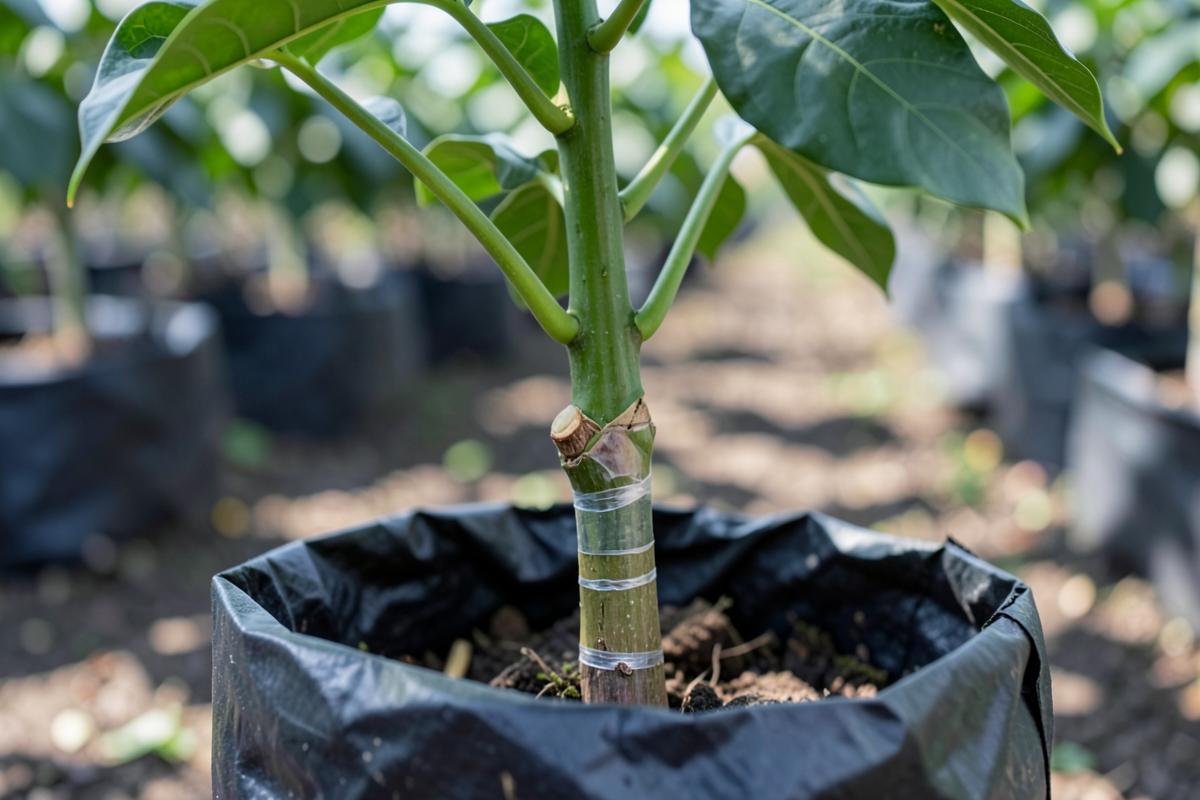
A grafted tree is two plants working together: proven roots below, a known variety above. That combination is why orchards use them and why home growers should too.
5 min read
Tree Guide
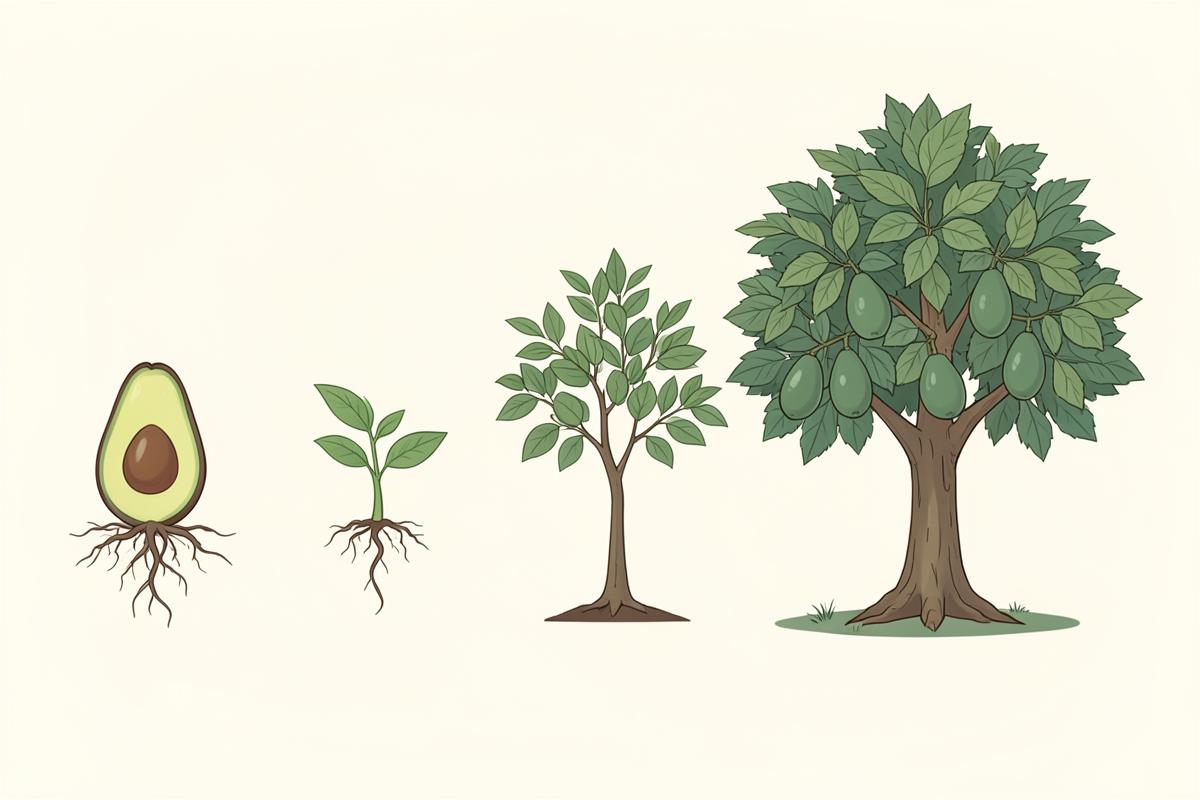
Germination in weeks, structure in years, fruit later still. This is the realistic avocado growth timeline, with the four growing situations that change it.
4 min read
Care
Usually the answer is age, and usually the fix is patience. But there are four other causes worth ruling out first.
3 min read