In India
How to Grow an Avocado Tree in India: Practical Guide
The general advice needs translating for Indian conditions. Monsoon drainage and summer heat are the two things that decide whether your tree makes it.
4 min read
Three seasons, three completely different jobs. Summer is about heat, monsoon is about drainage, winter is about cold. Confusing them is how trees die.
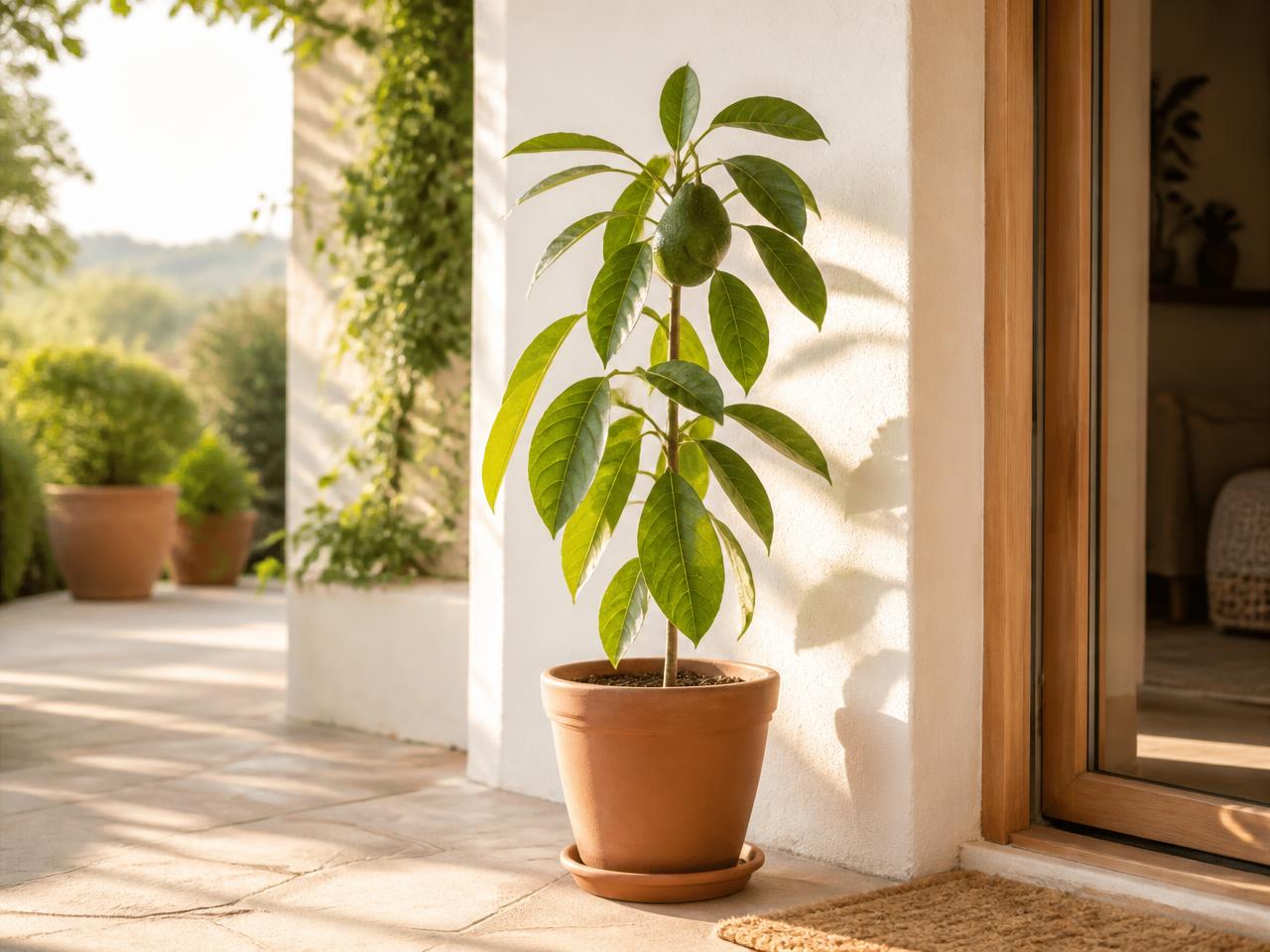
An avocado tree in India faces three quite different stress tests in a single year, and the correct response to each is nearly the opposite of the others. Getting the season wrong is worse than doing nothing.
The danger in peak summer is not the air temperature so much as what happens to a container's root ball. A pot in direct afternoon sun becomes an oven. The roots — shallow and sensitive — cook long before the leaves show it.
Summer routine
Afternoon wilting is not always thirst
Leaves that droop in the afternoon heat and recover by morning are managing water loss, not necessarily short of it. Wilting that persists overnight after watering is the one to worry about — and if the soil is wet, suspect roots rather than drought.
Counter-intuitively, the wet season is when avocados die. UC IPM identifies Phytophthora cinnamomi root rot as the tree's most serious disease, and it flourishes in exactly the conditions monsoon creates: saturated, poorly aerated soil.
Monsoon routine
Wilting in wet soil is an emergency
A tree that wilts while its soil is soaked is almost certainly suffering at the roots. Watering it more makes it worse. Improve drainage immediately and tell us if it is a rented tree.
Often the best growing period of the Indian year — warm, humid, no longer saturated. Resume normal watering, and expect a growth flush. Watch for fungal leaf spotting that shows up after long wet stretches, and improve air circulation around the canopy if you see it.
Cold tolerance depends on the variety's racial background — Mexican-race varieties are the most cold-hardy, Guatemalan intermediate, and West Indian the most tender. In most of southern and coastal India, winter is a non-event for avocado. In the north and the hills, it is the main constraint.
| Symptom | Likely in summer | Likely in monsoon |
|---|---|---|
| Yellowing leaves | Heat stress or nutrient leaching from frequent watering | Root rot from saturated soil |
| Wilting | Underwatering or root-ball overheating | Root damage — check drainage, do not water more |
| Brown leaf tips | Salt build-up concentrated by evaporation, or underwatering | Less common; check for salt or fungal issues |
| Leaf drop | Acute heat or drought stress | Root rot, or prolonged waterlogging |
Yellowing leaves
Wilting
Brown leaf tips
Leaf drop
Each of these has a dedicated guide in our care cluster if you need to work through the diagnosis properly.
Shade the container rather than just the leaves, mulch thickly over the root zone, water deeply in the early morning or evening, and check moisture daily. Avoid repotting, hard pruning or heavy feeding during peak heat.
Rain itself is fine; standing water is not. Saturated soil causes root rot, avocado's most serious disease. Keep drainage holes clear, raise pots off the ground, stop routine watering, and move containers under cover in prolonged heavy rain.
In most of southern and coastal India, no. In northern regions and the hills, young trees benefit from a sheltered position and cover on the coldest nights. Mexican-race varieties are the most cold-tolerant.
Horticultural and nutritional claims on this page are drawn from these references.
We write from two places: published horticultural research from institutions such as ICAR-IIHR and the University of California, and what our partner farms actually observe growing avocado in Indian conditions. Where the evidence is thin or regional, we say so instead of rounding it into a confident answer.
Researched and written in-house, reviewed by our farm coordination team. Last reviewed 3 September 2026.
Our Knowledge Hub covers growing, care, varieties, grafting and fruiting in one place — and if you would rather start with an established tree, we can tell you honestly whether one will do well where you live.
Free calculators that turn this guide into a result for your own conditions.
See whether your local climate is suitable, workable or challenging.
Model investment, running cost, yield and margin across three scenarios.
Score your light, soil, drainage and watering, and see what to change first.
In India
The general advice needs translating for Indian conditions. Monsoon drainage and summer heat are the two things that decide whether your tree makes it.
4 min read
Care
Yellowing is the tree's most ambiguous signal. The pattern of yellowing — and the state of the soil — narrows it down fast.
3 min read
Care
Where the browning starts tells you the cause. Tips and margins point to salt; whole-leaf browning points elsewhere entirely.
3 min read
In India
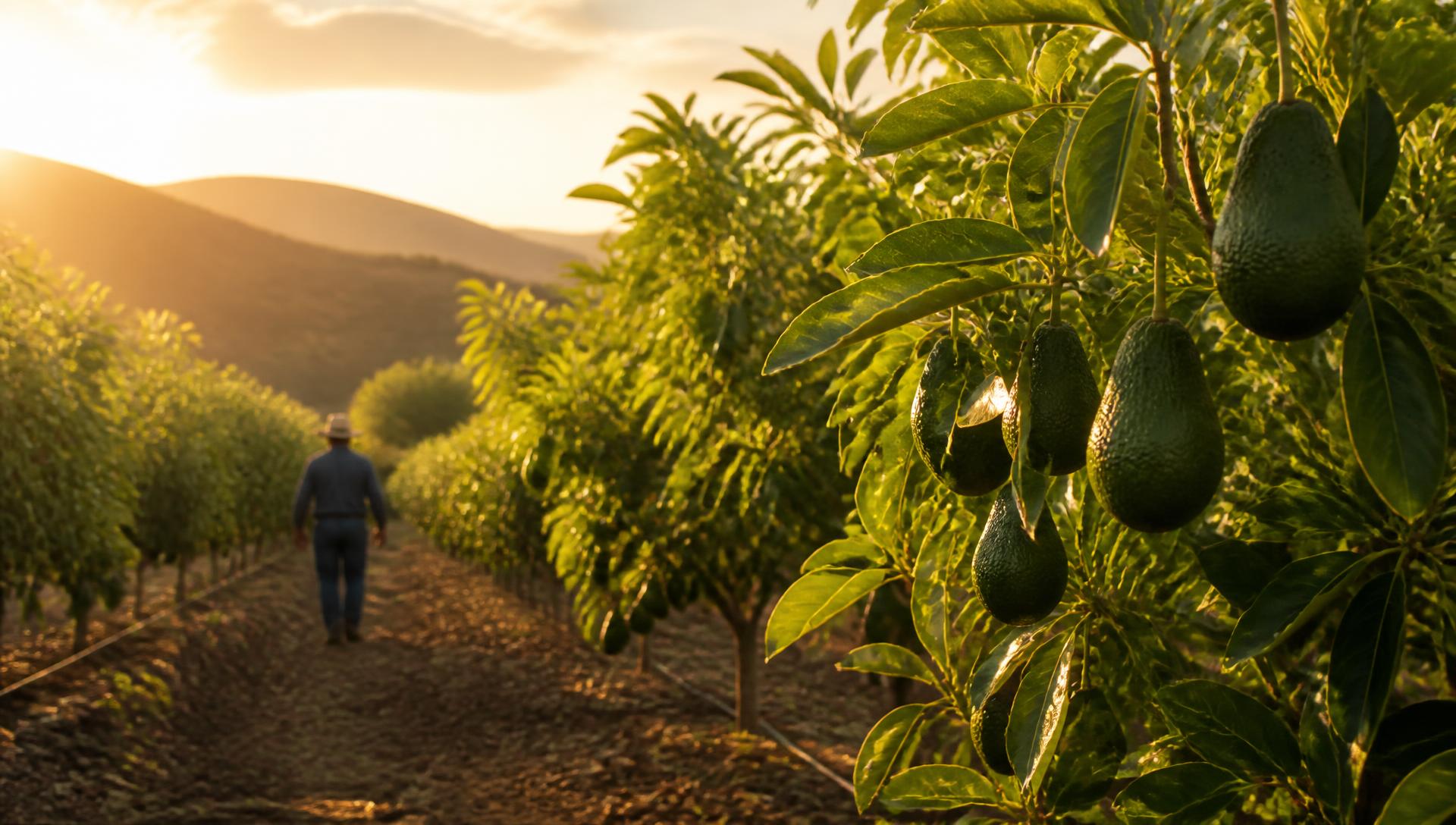
Avocado grows in India, and has for decades in a few specific places. The honest answer is regional, and depends far more on drainage and heat than on latitude.
5 min read