Rental
What Is an Avocado Tree Rental? A Complete Explanation
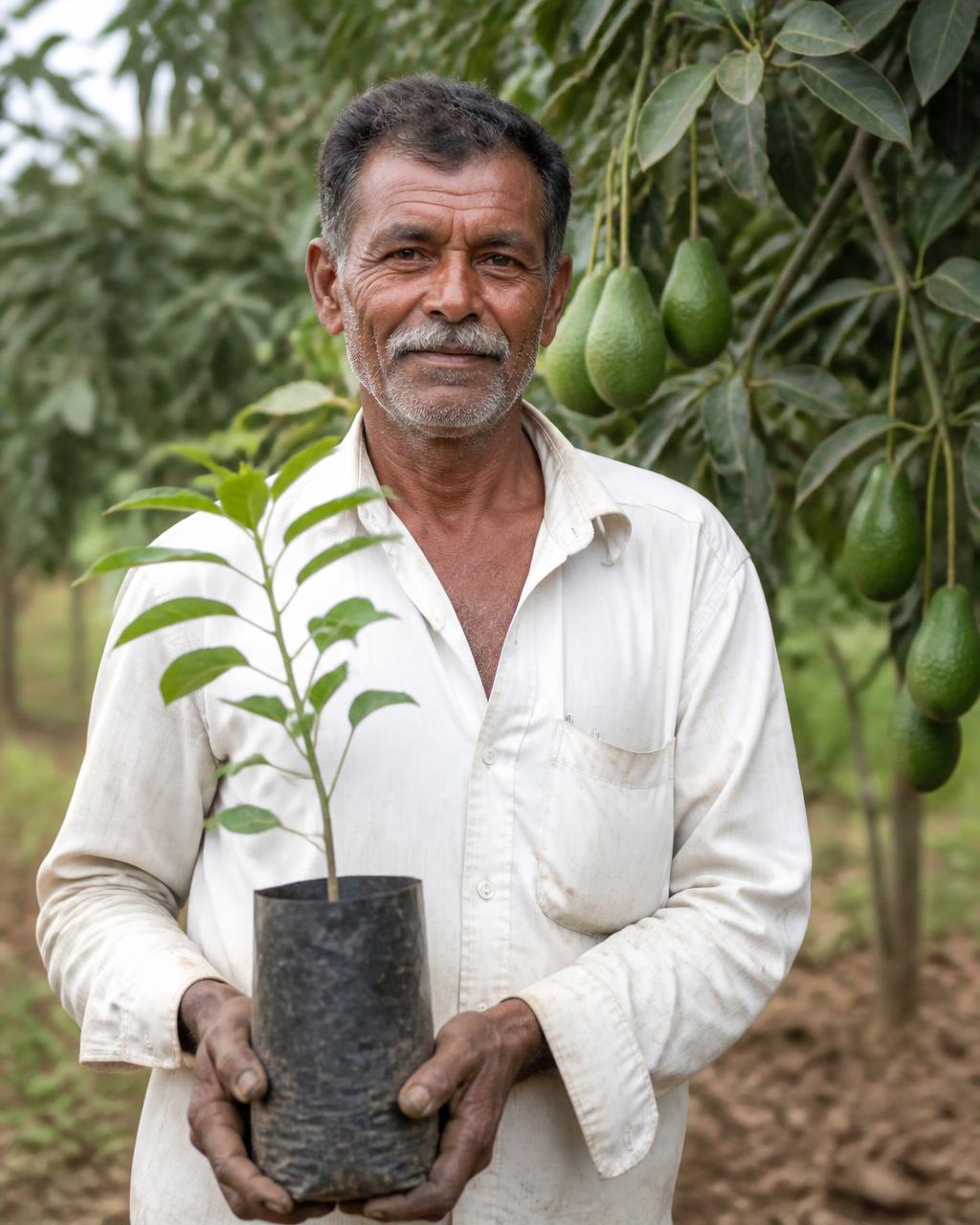
Not a subscription box, not a nursery sapling. A living tree that a farmer has already grown for years, delivered to your home and supported while it is with you.
4 min readStart here
Renting is not automatically better. It is better when the risk of losing a young tree matters to you. Here is the honest comparison, including when to just buy.
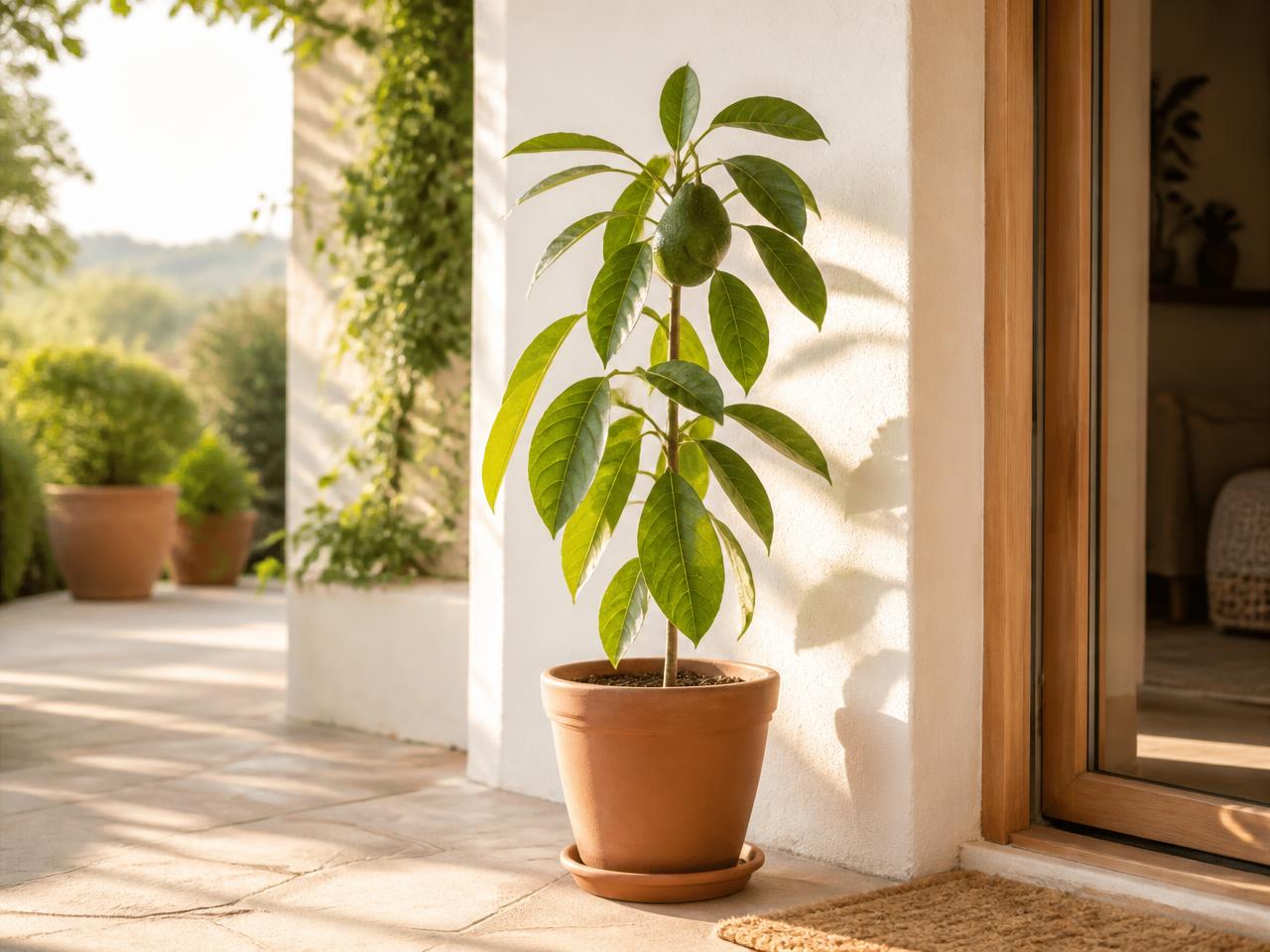
We run a rental service, so treat what follows accordingly — but we would rather make the real argument than a one-sided one. There are people who should buy a tree, and we will point them out.
Everything else follows from this. When you buy a young avocado, you own an asset with a meaningful chance of dying in its first years. Root rot from poor drainage, a bad summer, a fortnight away in May. When you rent, that risk sits with us.
| Renting | Buying | |
|---|---|---|
| Who owns the tree | We do | You do |
| Who carries the risk if it dies | We do — replacement is our responsibility | You do |
| Starting point | A tree already grown on at a partner farm | Usually a young nursery sapling |
| Ongoing support | Included for the whole term | Ends at purchase |
| Upfront cost | Lower | Higher for an equivalent-age tree, if you can find one |
| Long-run cost if all goes well | Recurring | One-off — cheaper over many years |
| Best for | First-timers, apartments, anyone who wants a guided start | Experienced growers with land and good drainage |
Who owns the tree
Who carries the risk if it dies
Starting point
Ongoing support
Upfront cost
Long-run cost if all goes well
Best for
A grafted tree needs roughly three years from planting before it bears. The most fragile part of that stretch happens at the farm, under someone who does this daily, rather than on your balcony while you learn.
A nursery is paid once. If your tree yellows in month four, that is your project. Under a rental, diagnosing that yellowing is part of what you are paying for.
Avocado is genuinely fussy about drainage and light. Renting lets you find out whether your space actually works before treating it as a permanent fixture.
The tree is grown by a partner farm using natural farming practices, and the rental keeps that relationship funded over time rather than as a single transaction. More about our growers.
If you move, or it stops working, the tree returns to a farm rather than becoming a problem in a stairwell.
Genuinely — some people should.
A reasonable middle path
Rent first to find out whether your space suits an avocado at all. If the tree thrives and you fall for it, buying a second one for the ground later is a much better-informed decision.
Over a long enough horizon with a tree that survives, buying is cheaper. That is arithmetic, and we are not going to argue with it. What rental buys is the removal of the downside case — the tree that dies in year two and takes the whole investment with it, plus the support that makes that outcome less likely.
See what it costs to rent for current figures, or read what is included to see what the fee actually covers.
Upfront, yes — considerably, especially against an equivalently mature tree. Over many years with a tree that survives, buying works out cheaper. Renting is really buying down the risk of losing the tree, plus ongoing support.
The tree remains ours, so at the end of a term you either renew or it returns to a partner farm. Most people renew, because continuity in one good spot is exactly what an avocado wants.
It can be, if you have well-drained land, experience with fruit trees, and you want to plant permanently. Renting suits first-timers, container growers and anyone who wants accountability for the tree's health.
Horticultural and nutritional claims on this page are drawn from these references.
We write from two places: published horticultural research from institutions such as ICAR-IIHR and the University of California, and what our partner farms actually observe growing avocado in Indian conditions. Where the evidence is thin or regional, we say so instead of rounding it into a confident answer.
Researched and written in-house, reviewed by our farm coordination team. Last reviewed 3 September 2026.
Our Knowledge Hub covers growing, care, varieties, grafting and fruiting in one place — and if you would rather start with an established tree, we can tell you honestly whether one will do well where you live.
Free calculators that turn this guide into a result for your own conditions.
Score your light, soil, drainage and watering, and see what to change first.
Estimate when your tree may flower and set fruit — and what is holding it back.
See where your tree sits on the growth timeline and what comes next.
Rental
Not a subscription box, not a nursery sapling. A living tree that a farmer has already grown for years, delivered to your home and supported while it is with you.
4 min readStart here
Rental
What drives the price, how rental compares to buying an equivalent tree, and where to find the current plan pricing.
3 min read
Rental
Availability check, matching, delivery, settling in, ongoing support, renewal or return. Here is what actually happens at each stage.
4 min read
Tree Guide
A grafted avocado typically fruits around three years after planting. A seed-grown one may take a decade or never fruit well. Here is the year-by-year picture.
4 min read