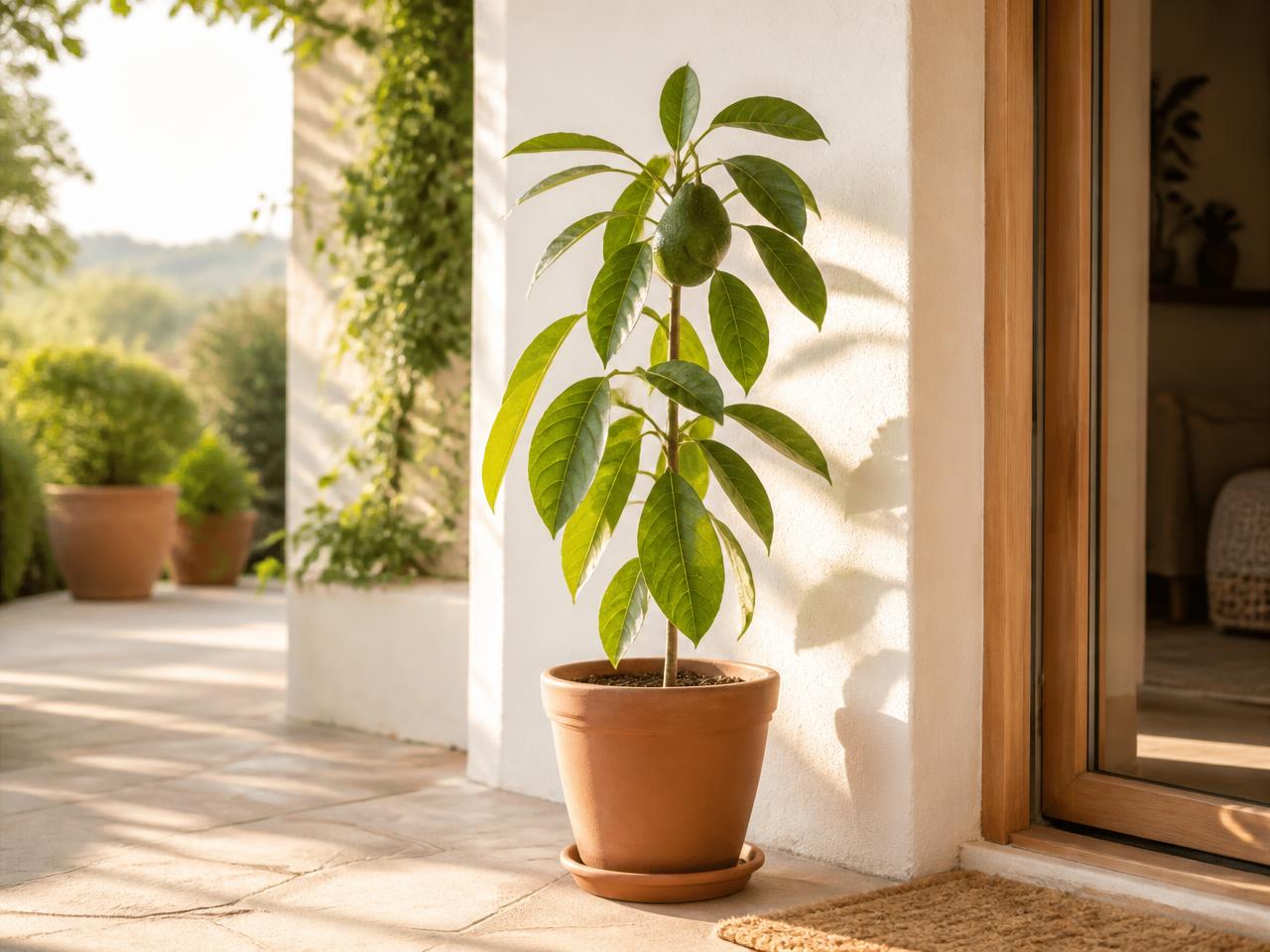
A grafted avocado typically fruits around three years after planting. A seed-grown one may take a decade or never fruit well. Here is the year-by-year picture.
MyAvocadoTree Editorial TeamPublished 3 September 2026Updated 3 September 20264 min read
There are two separate questions hiding inside this one. How long until it looks like a tree has a cheerful answer. How long until it gives me avocados has a slower one.
The fruiting timeline
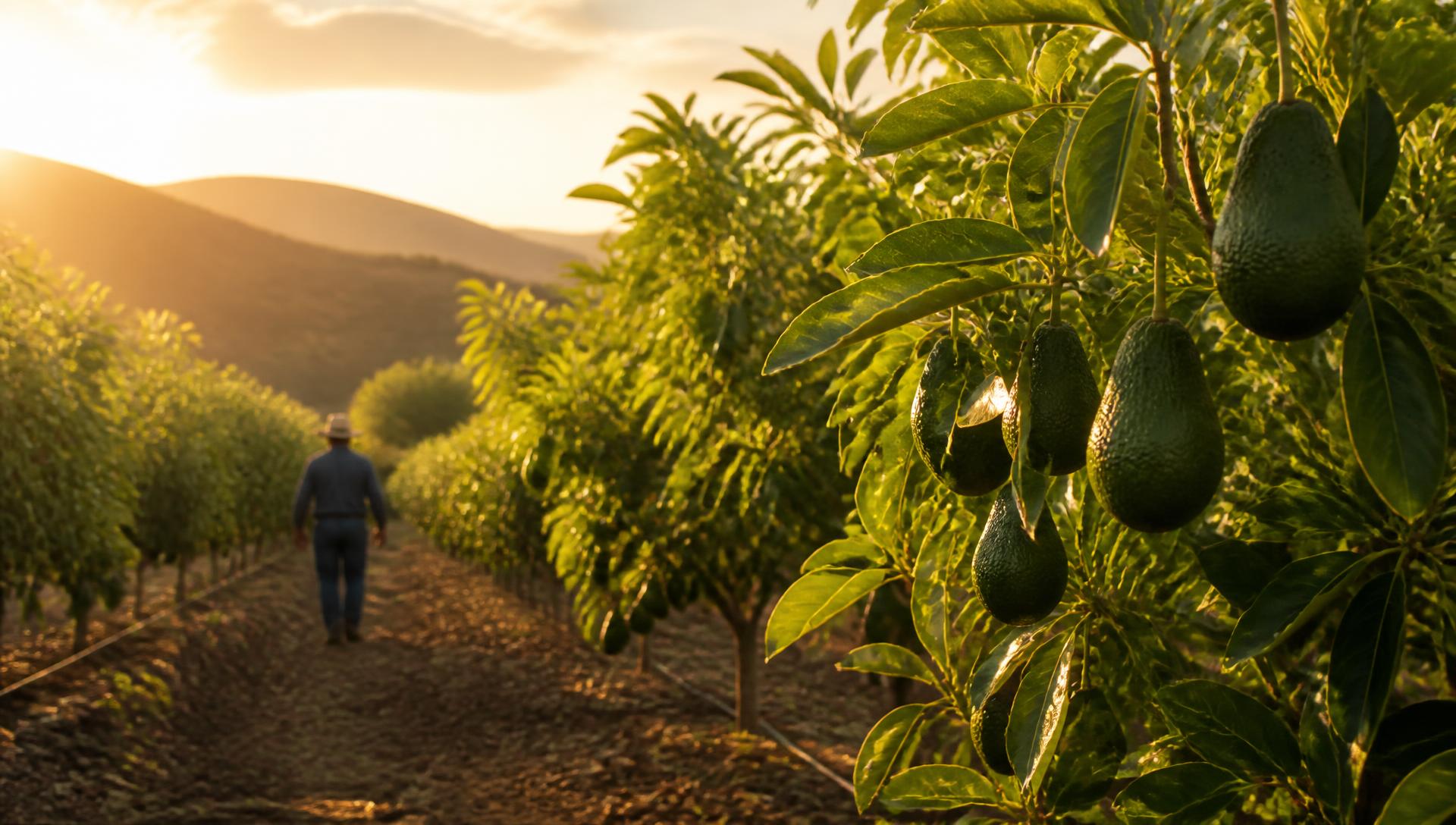
For grafted trees, the Trinidad and Tobago Ministry of Agriculture states that plants begin bearing three years after planting and continue for more than twenty years. That three-year figure is the most consistently repeated number across extension sources, and it is a reasonable planning assumption.
It is not a guarantee. UC's variety tables list "years to first commercial harvest" as a per-variety metric, which is a useful reminder that this is a varietal trait, not a fixed species constant. Rootstock, climate, and how well the tree was cared for in its first two years all shift the date.
What to expect, year by year (grafted tree)
Stage
Roughly
What is happening
Establishment
First 6–12 months after planting
Root system settling in. Top growth is modest and can look disappointingly slow. This is normal and mostly invisible.
Structural growth
Years 1–2
Flushes of new leaves and rapid height gain. The tree starts to read as a tree rather than a plant.
First flowering
Often year 2–3
Flower panicles may appear before the tree is ready to carry fruit. Early flowers frequently drop without setting — this is not a failure.
First real crop
Around year 3 onward
A small number of fruit. Yield climbs over subsequent seasons rather than arriving all at once.
Full bearing
Several years later
Consistent cropping, often with heavier and lighter years alternating.
Establishment
Roughly
First 6–12 months after planting
What is happening
Root system settling in. Top growth is modest and can look disappointingly slow. This is normal and mostly invisible.
Structural growth
Roughly
Years 1–2
What is happening
Flushes of new leaves and rapid height gain. The tree starts to read as a tree rather than a plant.
First flowering
Roughly
Often year 2–3
What is happening
Flower panicles may appear before the tree is ready to carry fruit. Early flowers frequently drop without setting — this is not a failure.
First real crop
Roughly
Around year 3 onward
What is happening
A small number of fruit. Yield climbs over subsequent seasons rather than arriving all at once.
Full bearing
Roughly
Several years later
What is happening
Consistent cropping, often with heavier and lighter years alternating.
Alternate bearing
Mature avocados often crop heavily one year and lightly the next. A light year after a heavy one is usually the tree's own rhythm rather than a problem you caused.
Why seed-grown trees take so much longer
A seedling has to pass through a juvenile phase before it is physiologically capable of flowering, and that phase is long in avocado. Grafting bypasses it entirely: the scion is taken from mature, already-flowering wood, so it carries that maturity with it onto the rootstock.
The second problem is genetic. Avocado does not come true from seed, so a pit from a shop-bought Hass will not give you a Hass tree. It gives you a genetically new individual whose fruit is a lottery — often small, often poorly flavoured.
Sprouting a pit is still worth doing with children. Just treat it as a foliage plant and a lesson in germination, not as a route to fruit.
What speeds the tree up, and what slows it down
Factor
Effect on timeline
Starting with an older, established tree
Removes years from the front of the schedule — you skip the slowest phase
Free-draining soil
The single biggest protective factor; waterlogging stalls or kills growth outright
Full sun
Strongly accelerates growth. Shade slows everything and suppresses fruiting
Consistent water without waterlogging
Steady growth flushes rather than stop-start stress cycles
Repeated transplanting or root disturbance
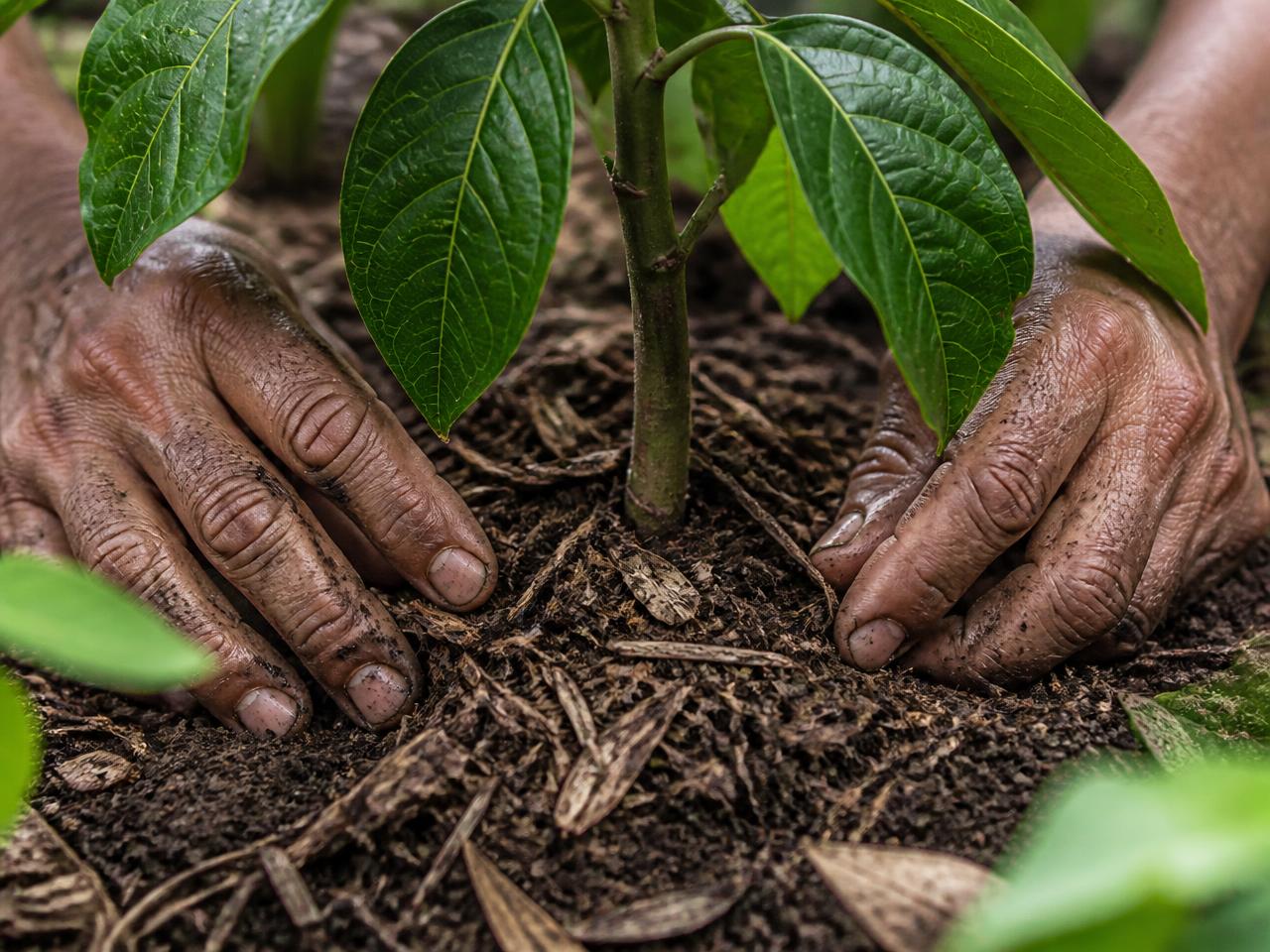
Sets the tree back each time; avocado dislikes root disturbance
Cold snaps or heat stress
Costs a growth flush and can drop flowers or young fruit
Container growing
Generally slower and smaller than in-ground, but far more controllable
Starting with an older, established tree
Effect on timeline
Removes years from the front of the schedule — you skip the slowest phase
Free-draining soil
Effect on timeline
The single biggest protective factor; waterlogging stalls or kills growth outright
Full sun
Effect on timeline
Strongly accelerates growth. Shade slows everything and suppresses fruiting
Consistent water without waterlogging
Effect on timeline
Steady growth flushes rather than stop-start stress cycles
Repeated transplanting or root disturbance
Effect on timeline
Sets the tree back each time; avocado dislikes root disturbance
Cold snaps or heat stress
Effect on timeline
Costs a growth flush and can drop flowers or young fruit
Container growing
Effect on timeline
Generally slower and smaller than in-ground, but far more controllable
The first item on that list is the one most people overlook. Starting further along the curve is not cheating — it is how orchards do it, and it is exactly what a rental tree gives you.
Starting further along the curve
The hardest years of an avocado's life are the first two, and they are the years where a home grower is most likely to lose the tree. Our partner farms do those years in conditions built for it — proper drainage, established shade, someone checking on the tree daily.
Our plans differ mainly on where in this timeline your tree arrives: a young sapling to grow with, or an established tree several years in. Compare the plans if you want to see the difference in practice.
Questions people also ask
How long does an avocado tree take to produce fruit?
A grafted tree commonly begins bearing around three years after planting, and continues producing for more than twenty years. Seed-grown trees take considerably longer and may never fruit well.
Why is my avocado tree flowering but not fruiting?
Young trees often flower a season or two before they can carry fruit, and those early flowers drop. If a mature tree flowers without setting fruit, look at pollination, stress during flowering, and alternate bearing — covered in our guide to trees that will not fruit.
How fast does an avocado tree grow in height?
Growth comes in flushes rather than steadily. A healthy grafted tree in good conditions makes substantial height in its first two or three years, then slows as it puts energy into canopy and fruit.
Can I speed up avocado fruiting?
Not directly, but you can avoid slowing it down: full sun, free-draining soil, consistent water, no root disturbance, and protection from cold and heat extremes. Starting with an older tree is the only real shortcut.
Sources we checked
Horticultural and nutritional claims on this page are drawn from these references.
We write from two places: published horticultural research from institutions such as ICAR-IIHR and the University of California, and what our partner farms actually observe growing avocado in Indian conditions. Where the evidence is thin or regional, we say so instead of rounding it into a confident answer.
Researched and written in-house, reviewed by our farm coordination team. Last reviewed 3 September 2026.
Still growing your avocado tree?
Our Knowledge Hub covers growing, care, varieties, grafting and fruiting in one place — and if you would rather start with an established tree, we can tell you honestly whether one will do well where you live.
Drainage, light, variety and patience decide almost everything about an avocado tree. This guide covers each one properly, and is the starting point for the rest of the hub.
Left alone, an avocado becomes a genuinely large shade tree. In a container under pruning it stays manageable. The gap between those two outcomes is the whole planning question.
Renting is not automatically better. It is better when the risk of losing a young tree matters to you. Here is the honest comparison, including when to just buy.