Tree Guide
1 Year Old Avocado Tree from Seed: Growth & Care
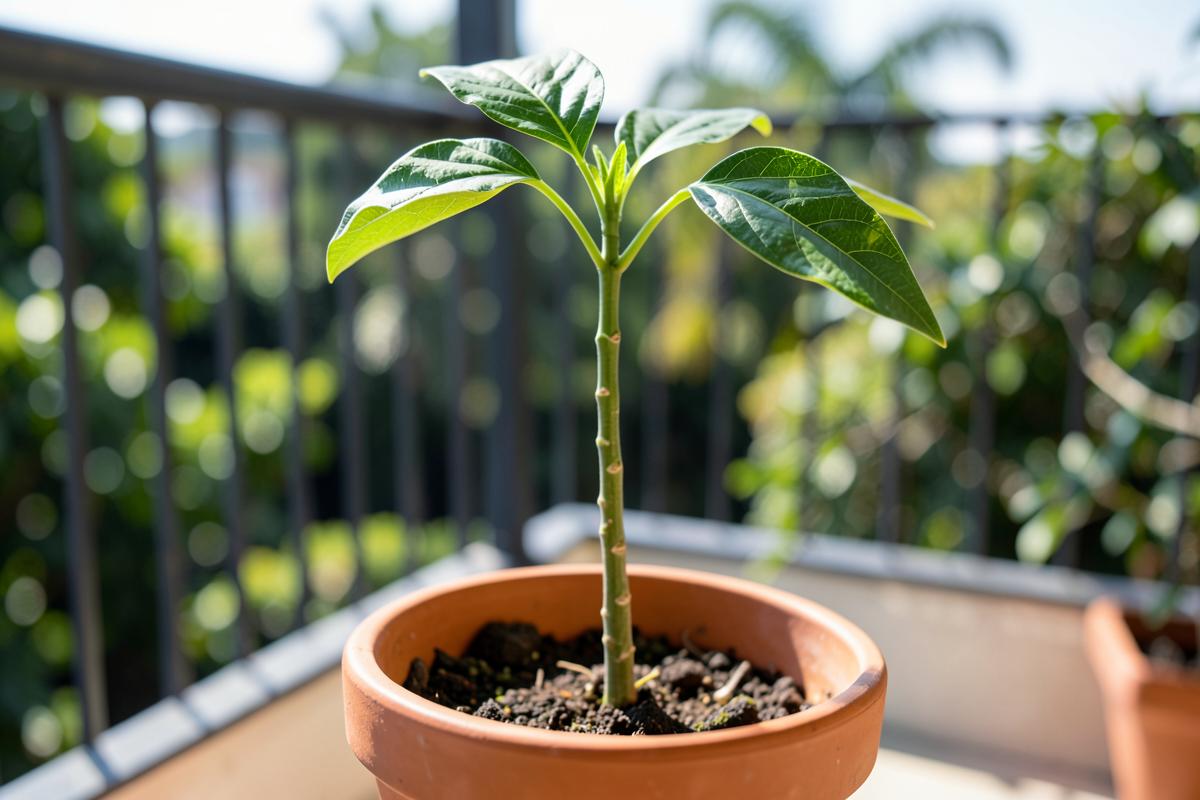
One year in, a seed-grown avocado is usually a single leggy stem with a handful of large leaves. Here is what is normal, what is a warning sign, and what to do next.
6 min read
The seed decides that you get one plant. Everything about how much fruit follows is decided by variety, propagation, age, pollination and growing conditions.
The direct answer
One avocado seed grows into one avocado plant. It does not produce a fixed number of avocados. How much fruit that plant eventually bears — if it bears at all — depends on the variety, whether it stays seed-grown or is grafted, its age, pollination, climate and how it is cared for.
The question usually comes from a reasonable place: you have one pit, you want to know what it is worth. The honest framing is that the seed buys you a tree, not a harvest. And a seed-grown tree is a long, uncertain route to fruit compared with a grafted one.
An avocado pit contains a single embryo, and germination produces a single shoot with a single taproot. You cannot split a pit into several plants. If two shoots appear from one pit, they are usually competing shoots from the same embryo — keep the stronger one.
Enough that the number is not the useful question. Production varies enormously between a young tree in a container and an established orchard tree in ideal conditions, and it varies from year to year on the same tree. Avocados are strongly alternate bearing: a heavy crop one season is commonly followed by a light one as the tree recovers reserves.
Why we do not publish a fruit-count promise
You will find confident per-tree numbers online. They come from specific varieties, ages, climates and management systems, and they do not transfer to your garden. We would rather explain the variables than quote a figure that sets you up for disappointment.
| Factor | Effect on fruit numbers |
|---|---|
| Grafted vs seed-grown | Grafted bears far earlier and more predictably |
| Tree age | Yield climbs for several years after first bearing |
| Alternate bearing | Heavy year followed by a light year is normal |
| Weather at bloom | Cold, heat or heavy rain during flowering can reduce set drastically |
| Pollinator activity | Bee traffic during bloom improves set |
| Container vs ground | Container trees carry much smaller crops |
| Water and nutrition | Stress at fruit set causes heavy fruit drop |
Grafted vs seed-grown
Tree age
Alternate bearing
Weather at bloom
Pollinator activity
Container vs ground
Water and nutrition
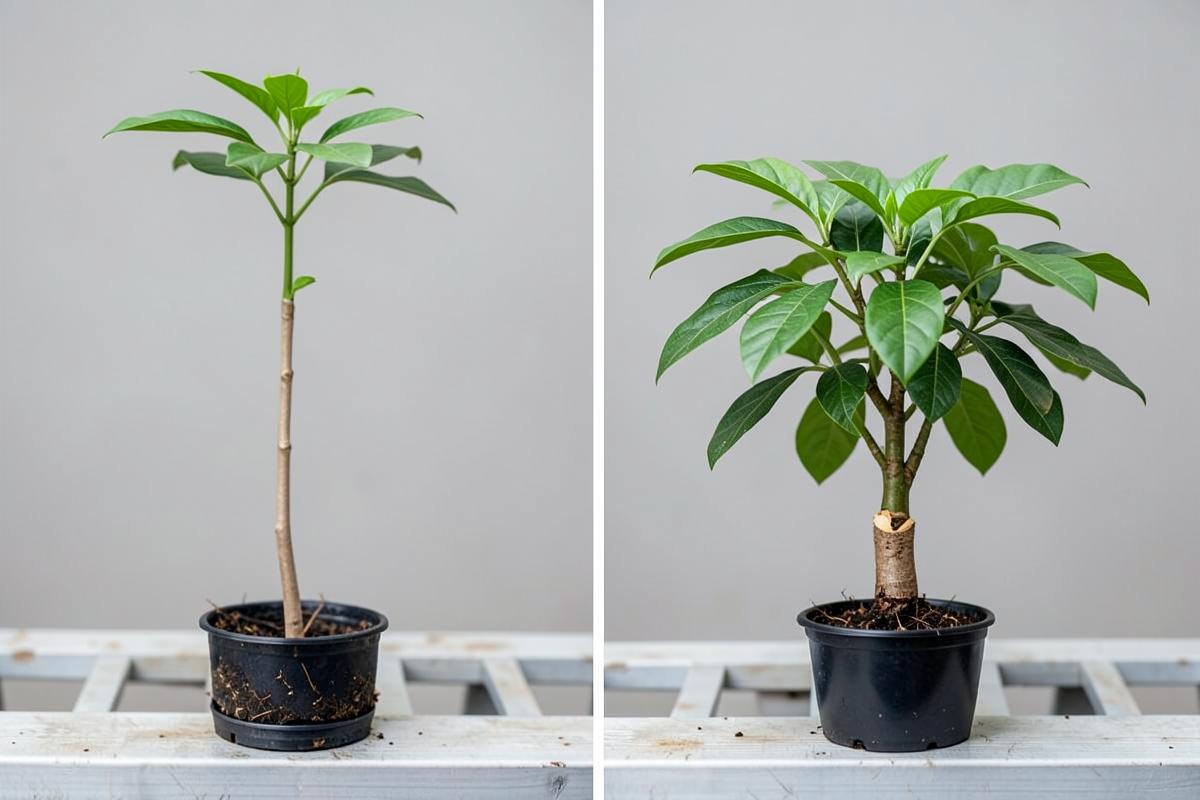
A seedling has to pass through a juvenile phase before it is capable of flowering at all. Scion wood used for grafting comes from an adult tree that has already passed it, so a grafted tree can flower within a few years of planting while a seedling commonly needs five to thirteen years or more — and some never produce useful fruit. The fruit from a seedling is also a genetic lottery, because avocados do not come true from seed.
Not at all — it is just a different project. A seedling is an enjoyable, free plant and an excellent way to learn how avocados behave, and it can later serve as rootstock for a graft of a known variety. If your goal is a harvest, start with a grafted tree; if your goal is a tree, a pit is a fine place to begin. Is it hard to grow an avocado tree from a seed? covers the practicalities, and Grafted Avocado Tree covers the alternative.
No. Each pit contains a single embryo and produces one plant. Occasional twin shoots come from the same embryo — keep the stronger one.
There is no reliable number. Seedlings may take five to thirteen years or more to fruit, some never do, and yields vary hugely with variety, climate and care.
It varies widely by variety, age, climate and management, and avocados alternate between heavy and light years. Any single quoted figure is specific to someone else's orchard.
Usually not. Seedlings are genetically distinct from the parent, so size, flavour, oil content and season are all unpredictable.
No, a single tree can set fruit because its flowers open in separate female and male phases. A complementary Type A or Type B partner nearby generally improves fruit set.
Horticultural and nutritional claims on this page are drawn from these references.
We write from two places: published horticultural research from institutions such as ICAR-IIHR and the University of California, and what our partner farms actually observe growing avocado in Indian conditions. Where the evidence is thin or regional, we say so instead of rounding it into a confident answer.
Researched and written in-house, reviewed by our farm coordination team. Last reviewed 4 September 2026.
Our Knowledge Hub covers growing, care, varieties, grafting and fruiting in one place — and if you would rather start with an established tree, we can tell you honestly whether one will do well where you live.
Free calculators that turn this guide into a result for your own conditions.
An interactive visual timeline from seed to mature tree.
Score your light, soil, drainage and watering, and see what to change first.
Estimate when your tree may flower and set fruit — and what is holding it back.
Tree Guide
One year in, a seed-grown avocado is usually a single leggy stem with a handful of large leaves. Here is what is normal, what is a warning sign, and what to do next.
6 min read
Tree Guide
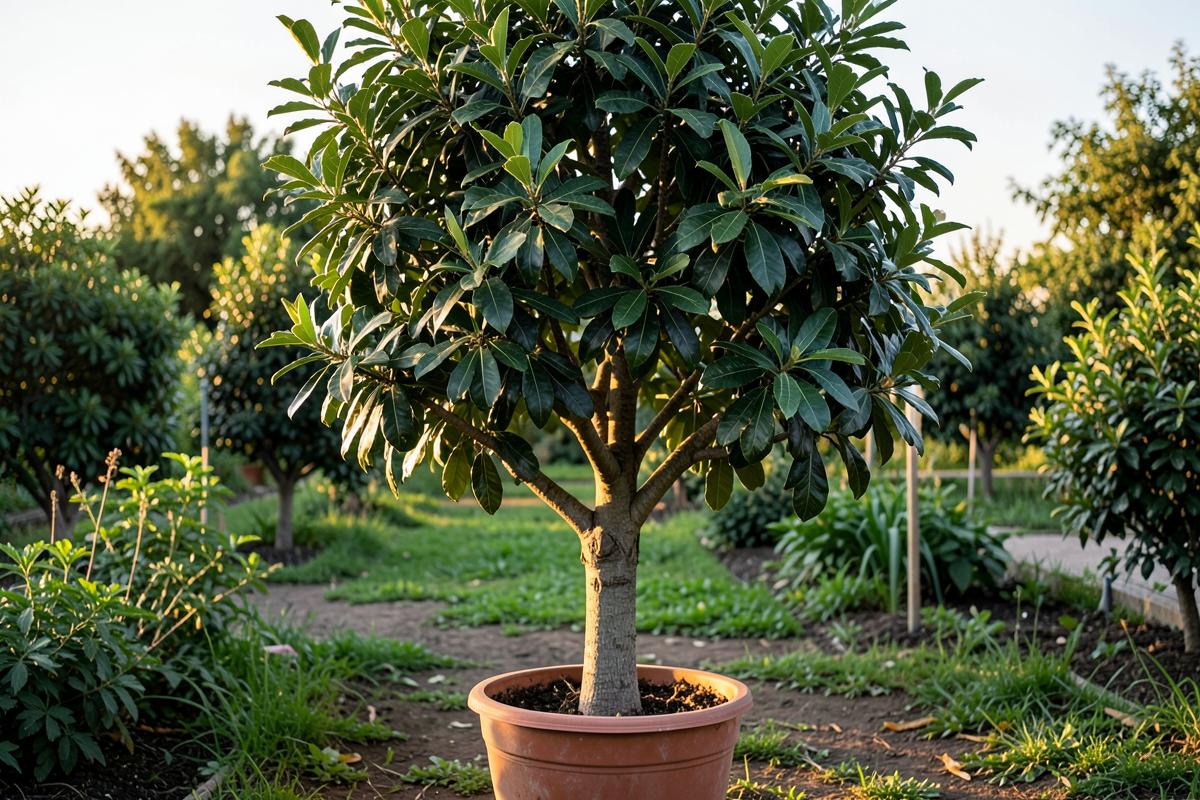
Five years in, a seedling is a real tree — trunk, canopy, appetite for water. Whether it fruits is a different question, and this guide answers it plainly.
5 min read
Varieties
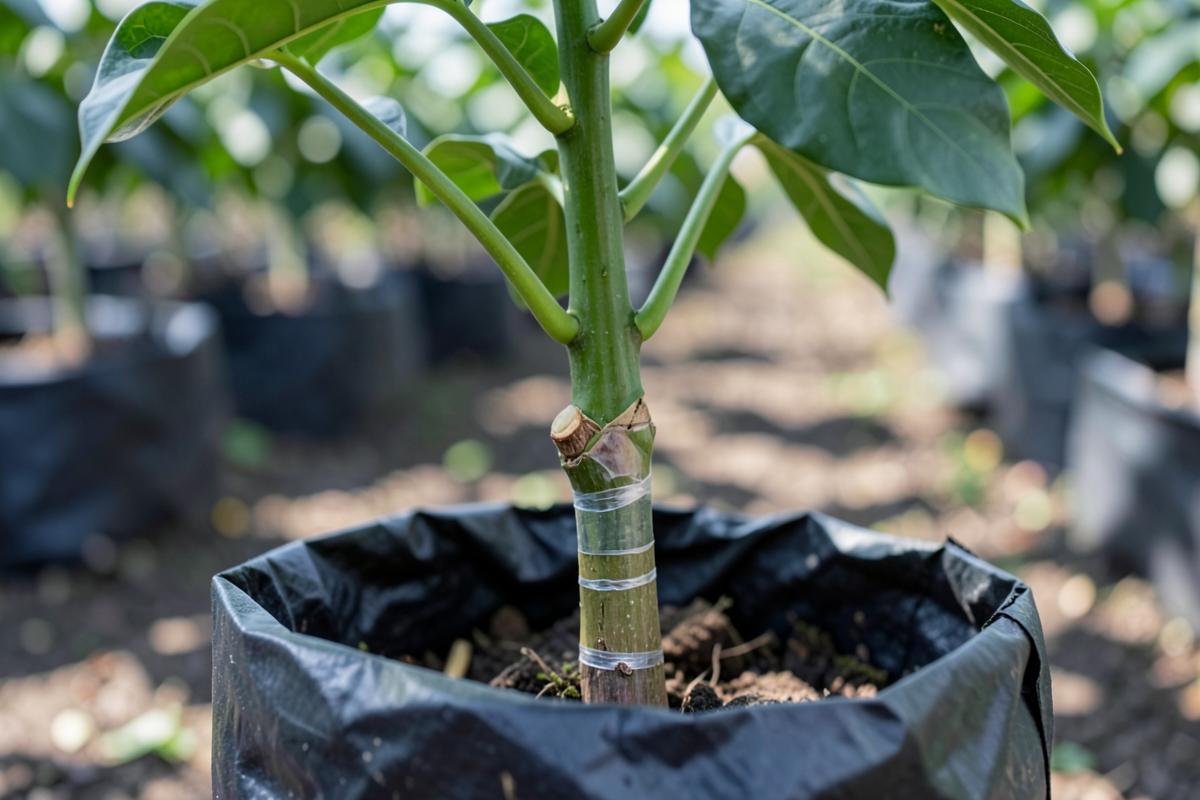
A grafted tree is two plants working together: proven roots below, a known variety above. That combination is why orchards use them and why home growers should too.
5 min read
Tree Guide
Fruit is decided long before flowering: by the tree you choose, the site you give it and the water at its roots. This guide runs through each decision in the order it matters.
5 min read